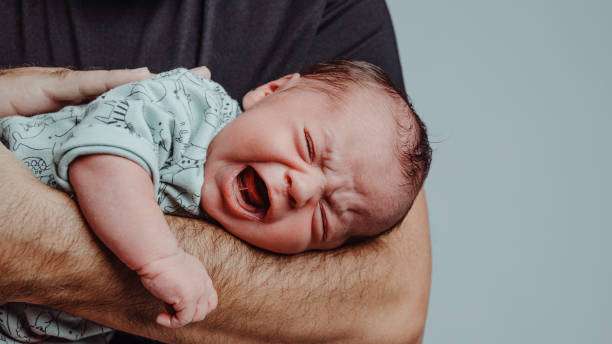
As parents, we all want our babies to sleep comfortably and safely. In recent years, baby sleep sacks have gradually become the preferred sleep product for parents because they not only keep their babies warm but also avoid the suffocation risks that traditional blankets may pose. But did you know that the safety designs of baby sleep sacks on the market vary greatly? Choosing the right sleep sack is key to protecting your baby’s sleep safety.
In this article, I will analyze baby sleep sacks in detail from aspects such as safety design principles, material selection, size considerations, and detailed design. I will also share my personal experience to help parents make a more informed choice.
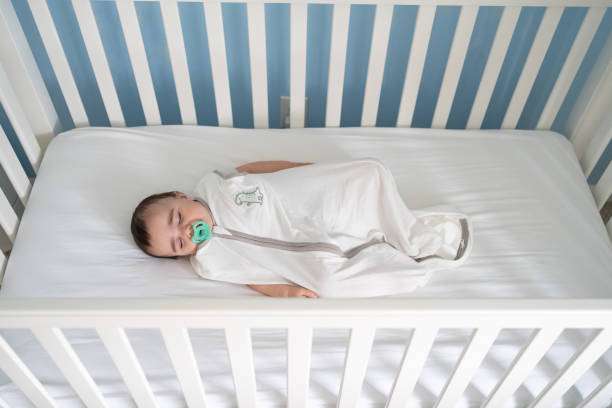
Baby Sleep Sack’s Safety Design
A baby sleep sack is essentially designed to prevent suffocation, overheating, and slippage. Compared to a regular blanket, a sleeping sack has several distinct advantages:
- Good stability: The baby won’t kick off the blanket while sleeping, nor will the blanket be wrapped too tightly.
- Prevent suffocation: Reduce the risk of a loose blanket covering the face.
- Suitable temperature: Designed according to the season and the thickness of the sleeping bag to prevent the baby from overheating.
Just like when I choose a cake stand, in addition to its appearance, I also pay attention to its stability and support structure. The same goes for baby sleep sacks; safety design is more important than style.
Material Selection: Natural, Safe, and Breathable
Babies have delicate skin and are highly sensitive to materials. Safety design must start with the materials used:
- Natural cotton or bamboo fiber: soft, breathable, absorbent, and reduces the risk of rashes.
- Organic materials: Avoid chemical residues and irritating odors.
- Breathable mesh or thin layer: prevents babies from overheating and reduces the risk of sudden infant death syndrome (SIDS).
I once chose a cake stand that looked very pretty, but the material was too thin, and it couldn’t provide stable support. The same principle applies to choosing a sleeping bag; good looks aren’t enough, the material and safety are the key factors.
Size Design: Fits Snugly Yet Not Restrictive
A baby sleep sack that is too large or too small will affect safety.
- Too large: The baby may slip into the sleeping bag, increasing the risk of suffocation.
- Too small: The baby’s movement is restricted, which may affect comfort and natural motor development.
General Recommendations:
- The sleeping bag should be 10-20 cm longer than the baby’s height to allow the baby to stretch their arms and legs.
- The shoulder and neck design should fit snugly to prevent it from slipping under the head.
Just like the height of a cake stand and the proportion of its base need to be coordinated, the size design of a sleeping bag also requires attention to proportion; being too high or too wide may bring hidden dangers.
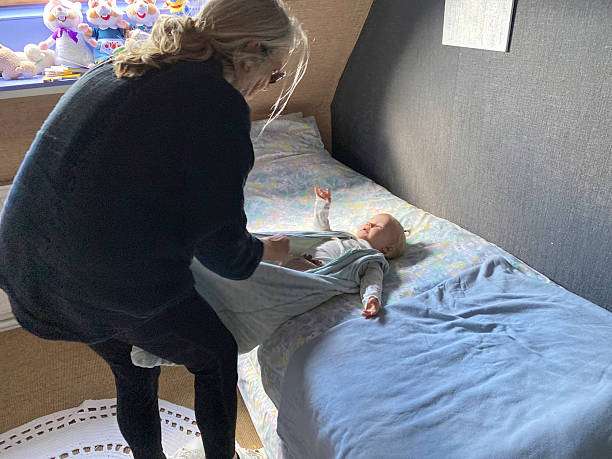
Detailed Design: Zippers, Buttons, Shoulder
The details of safety design determine the user experience:
- Zipper anti-pinch design: to prevent the zipper from pinching the baby’s skin, with options for hidden or covered protective panels.
- Shoulder buckles or non-slip shoulder straps: prevent the baby sleep sack from slipping down and make diaper changing easier.
- No small ornaments: to prevent small buttons and straps from falling off and being swallowed by the baby.
- Closed bottom: Prevents baby’s feet from slipping out or the sleeping bag from turning over.
I once bought a cake stand with sharp decorations that were very unsafe for my child to touch. Similarly, the design of sleeping bags should take every potential risk into account.
Thickness and Warmth: Safe Temperature Management
Safety design includes not only protection against falls and suffocation but also protection against overheating:
- Lightweight sleeping bag: suitable for summer or air-conditioned rooms.
- Thick sleeping bag: Suitable for winter, but ensure good breathability.
- TOG Index Reference: The TOG index is commonly used in the UK to measure the warmth of sleeping bags, and parents can choose according to room temperature.
Don’t neglect ventilation in the name of keeping warm; otherwise, overheating may cause your baby to sweat excessively, have restless sleep, or even face the risk of SIDS.
Adjustability: Adapts to Baby’s Growth
Babies grow very quickly, so an adjustable sleeping bag is more practical:
- Adjustable shoulder buckles: suitable for babies of different sizes.
- Zipper length: makes diaper changing easier and reduces nighttime awakenings.
- Multiple thickness options: can be flexibly changed for spring, summer, autumn, and winter.
Just like an adjustable cake stand that can hold cakes of different sizes securely, the adjustable sleeping bag is also an important design feature to ensure long-term safety.
As a parent, when I was choosing a sleeping bag for my baby right after birth, I initially only focused on appearance and price. The result:
- A sleeping bag that is too big causes the baby to slide into it while sleeping, resulting in frequent crying at night.
- The zipper design is flawed, often making diaper changing a chaotic and frustrating experience.
Later I switched to a sleeping bag that was designed for safety:
- Shoulder fit, anti-pinch zipper
- Breathable cotton material, suitable thickness
- Adjustable design adapts to baby’s growth
As a result, my baby slept soundly all night, which put my mind at ease. Just like choosing the right style and structure for a cake stand to make the cake both beautiful and sturdy, the safe design of a sleeping bag ensures that my baby sleeps comfortably and with peace of mind.
FAQ: Frequently Asked Questions about the Safety Design of Baby Sleep Sacks
Q1: How thick should a baby sleeping bag be?
A: It depends on the season. You can refer to the TOG index. For summer, 0.5~1.0 TOG is recommended, and for winter, 2.5~3.5 TOG is suitable to ensure breathability.
Q2: Will the sleeping bag zipper pinch my baby?
A: High-quality sleeping bags usually have anti-pinch zippers to ensure safety. You can gently pull the zipper to test it before purchasing.
Q3: Will a sleeping bag restrict a baby’s movement?
A: A properly sized sleeping bag should allow the baby to stretch their arms and legs freely while preventing it from slipping under their head.
Q4: Are baby sleep sacks with decorations safe?
A: It is not recommended to have small buttons, ropes, or other decorations, as these may cause the baby to swallow them or get strangled.
Q5: How long after birth can a baby use a baby sleep sack?
A: Usually, it can be used from the newborn period, but you need to choose a small-sized sleeping bag that is suitable for newborns.
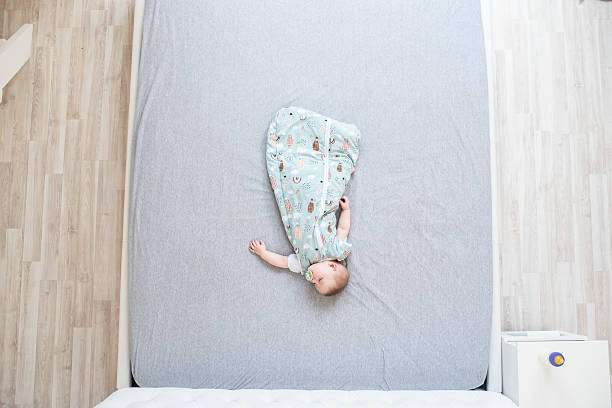
Summary:
Choosing a well-designed and safe sleeping bag will allow your baby to sleep peacefully and give you peace of mind. I strongly suggest that you don’t just look at the appearance and price; safety and comfort should be the top priorities.
If you’re looking for a baby sleep sack, I can help you compile a list of recommended safe sleeping bags suitable for babies of different ages and seasons so you can choose the most reassuring product in one go.
Just tell me your baby’s age and the intended use scenario, and I can help you choose one that is both safe and practical so that you and your baby can sleep better.