
For new parents, a baby sleep sack is essential for ensuring their baby’s safe sleep and comfortable temperature. Compared to traditional blankets, baby sleep sacks prevent risks like kicking off the covers and suffocation while also helping to regulate the baby’s body temperature. However, many parents encounter a dilemma when using baby sleep sacks: their baby’s armpits tend to sweat easily, so should they choose a sleeveless or sleeved version? Today, we’ll comprehensively analyze the selection tips for baby sleep sacks, focusing on underarm heat dissipation and comfort, to help your baby sleep comfortably all night.
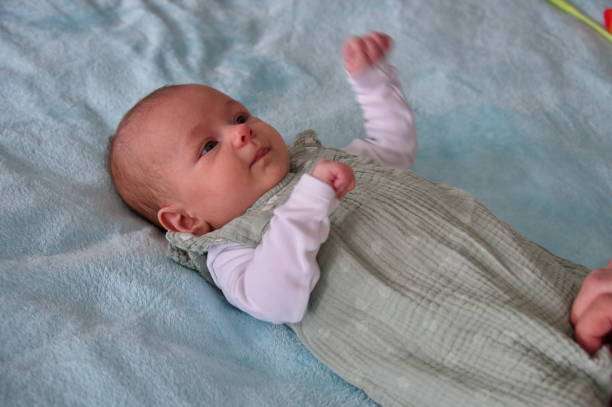
The importance of heat dissipation under the armpits of infants
A baby’s temperature regulation system is not yet fully developed, and the armpit is one of the key areas for heat dissipation. If a baby sleep sack is poorly designed, the following problems may occur:
- Excessive sweating: The armpits become hot and stuffy, causing clothes to become soaked and affecting sleep.
- Body temperature that is too high or too low: Overheating can easily cause irritability and crying, while being too cold may affect immunity.
- Skin discomfort: Prolonged dampness can easily cause rashes or irritation.
Underarm ventilation is a crucial factor to consider when choosing a baby sleep sack.
My friend’s baby always had damp armpits when sleeping in a sleeved sleeping bag in the summer. After switching to a sleeveless one, the baby sweated significantly less at night and slept more soundly.
Advantages and applicable scenarios of sleeveless baby sleep sack
Excellent heat dissipation
The sleeveless design allows the baby’s armpits to be in direct contact with the air, making it easier for sweat to evaporate and reducing stuffiness.
Suitable for summer or warm environments
Sleeveless baby sleep sacks are usually paired with short-sleeved or thin cotton clothing to prevent the body temperature from getting too high at night.
More freedom in activities
The sleeveless design allows babies to move their arms freely, making it suitable for babies who like to wave their little hands.
My baby uses sleeveless baby sleep sacks in the summer, and there is almost no sweating under the armpits, so it is very comfortable even when turning over at night.
Precautions:
- Sleeveless sleeping bags are suitable for environments with higher room temperatures. If the indoor air conditioning temperature is too low, you will need to wear a thin, long-sleeved undershirt.
- For babies who are particularly sensitive to cold, it is not recommended to use sleeveless tops alone when there are large temperature differences at night.
Advantages and applicable scenarios of sleeved baby sleep sacks
Better warmth retention
The sleeved design wraps around the baby’s arms, reducing heat loss at night, making it suitable for use in spring, autumn, or winter.
Prevent scratches or clothing damage
Sleeved sleeping bags can protect a baby’s delicate skin and prevent them from scratching their face or messing up their clothes.
Suitable for families where nighttime temperatures are low
Sleeve sleeping bags provide all-around warmth, especially in winter when room temperature is low, keeping the armpits and extremities warm.
My friend’s baby uses a baby sleep sack with sleeves in winter, which helps prevent the baby from getting cold at night and reduces the number of times the baby wakes up crying.
Precautions:
- Sleeved sleeping bags have less space under the armpits, which may cause slight stuffiness. It is necessary to choose breathable materials or a slightly larger size.
- Thick, sleeved sleeping bags are not recommended for use in summer or in environments with high room temperatures.
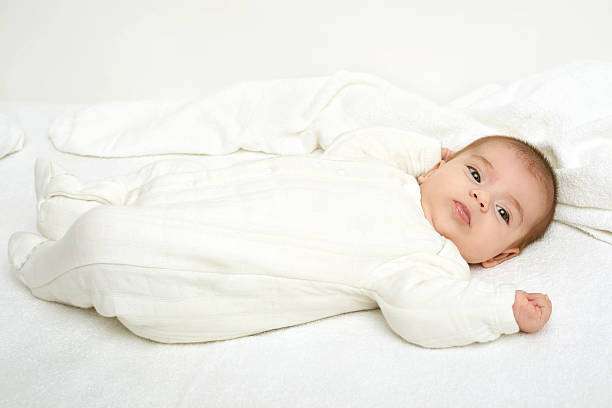
The impact of material and breathability on underarm heat dissipation
Whether sleeveless or sleeved, the material has a huge impact on heat dissipation and comfort:
- Pure cotton/organic cotton: breathable and suitable for year-round use, especially for sleeveless sleeping bags in summer.
- Bamboo fiber/modal: Soft and absorbent, with excellent heat dissipation under the armpits.
- Fleece/thick cotton: It has strong warmth retention and is suitable for autumn and winter, but it is easy to feel stuffy in summer.
Tip:
- Baby sleep sacks with “breathable cut” or “mesh patchwork” under the armpits are designed to facilitate heat dissipation.
- When your baby is very active, you can choose a slightly looser cut to avoid restricting sweating under the armpits.
Suggestions for pairing underarm cooling with baby sleep sack
Summer/Warm Environment
- Sleeveless baby sleep sack + short-sleeved underwear or vest
- Material selection: thin cotton or bamboo fiber
- Room temperature is recommended to be 24~28°C
Spring and Autumn / Moderate Environment
- Optional long-sleeved thin baby sleep sack
- Choose breathable cotton or modal material.
- Pay attention to the space between your arms and armpits to avoid it being too tight.
Winter/Cold Environment
- Thick, sleeved baby sleep sack; wear thermal underwear underneath.
- A slightly looser design can be chosen for the underarms.
- A room temperature of 20-24°C is ideal.
My baby uses a long-sleeved, thin sleeping bag in the fall. It’s still breathable under the armpits, and he doesn’t sweat when he turns over at night. It’s warm and comfortable.
Storage and organization skills
After daily use, the baby sleep sack needs to be kept clean and dry:
- Wash after each use to avoid bacterial growth caused by sweat or lotion residue.
- Air dry and fold: Store after it has air-dried to avoid moisture.
- Sleeveless summer and sleeved winter sleeves are stored separately for easy and quick selection.
- Keep it within easy reach: Place it in an easily accessible location in the nursery for easier nighttime changing and washing.
Frequently Asked Questions (FAQ)
Q1: My baby sweats a lot under his armpits. Is it because the sleeping bag is too hot?
A: Not necessarily. It may be related to the material of the sleeping bag, the room temperature, or the baby’s own physical condition. Choosing breathable materials and a loose fit can help improve the situation.
Q2: Will a sleeveless sleeping bag make my baby catch a cold at night?
A: If the room temperature is suitable and the baby wears a thin undershirt, they generally won’t catch a cold. In colder seasons, it is recommended to choose a sleeved sleeping bag or wear a long-sleeved shirt underneath.
Q3: What should I do if my baby sweats while using a sleeping bag with sleeves?
A: You can try choosing a breathable fabric or switch to a thin, loose-fitting sleeping bag with sleeves while also regulating the room temperature.
Q4: Should babies over one year old wear sleeveless or sleeved sleeping bags?
A: Choose according to the season and room temperature. Active babies can choose sleeveless bags to increase their freedom of movement; in cold seasons, sleeved bags are still recommended for warmth.
Q5: How does the size of a baby sleep sack affect underarm heat dissipation?
A: A sleep sack that is too tight will affect airflow under the armpits, causing sweating; a slightly looser sleep sack or one that fits the baby’s height is better for heat dissipation.
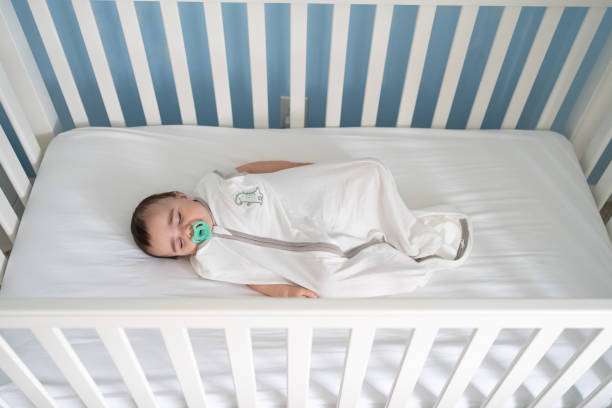
Summarize:
a baby’s sleep sack. Sleeveless and sleeved styles each have their advantages: sleeveless sacks are more breathable and suitable for warm environments, while sleeved sacks provide more warmth and are suitable for cold environments. Choosing the right style based on your baby’s constitution, the season, and room temperature, along with breathable materials and a reasonable cut, can significantly improve your baby’s sleep comfort.
If you’re choosing a baby sleep sack, consider our seasonal and underarm ventilation guide to ensure your baby sleeps comfortably and peacefully every night. Click here for our curated selection of baby sleep sacks to help you easily choose the perfect style for your baby.