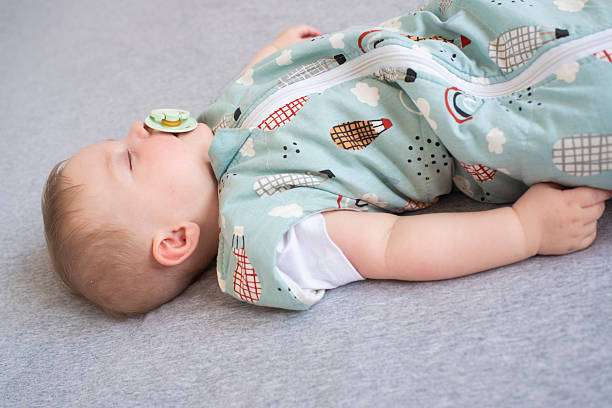
With increasing awareness of infant care, baby sleep sacks are gradually becoming the preferred sleep product for many families. Parents often worry about whether baby sleep sacks will make their babies feel restricted or uncomfortable. This article will provide comprehensive answers to this question and offer practical purchasing and usage advice.
1. The design concept of baby sleep sack
The core design concept of a baby sleep sack is to replace traditional blankets, keeping babies warm while they sleep and reducing the risk of them getting cold or suffocating due to kicking off the blanket when they roll over. Modern baby sleep sacks mostly use soft, breathable fabrics and have a reasonable design for shoulder and arm space to ensure the baby’s natural range of motion.
Generally, a baby sleep sack that meets safety standards won’t be too tight, and the baby won’t feel noticeably restricted even when moving around. This is why many pediatricians recommend using a baby sleep sack instead of traditional bedding.
2. Choosing the right size for your baby sleep sack
Size is a key factor in whether a baby feels restricted. If the sleeping bag is too small, the baby’s hands and feet may be restricted, potentially causing restlessness; if the sleeping bag is too large, there is a risk of it slipping or being pulled by the baby.
When making a purchase, parents can refer to the following criteria:
- Shoulder width: Ensures the baby’s shoulders can stretch freely without constricting the arms.
- Length: When the baby is lying on their back, the bottom of the sleeping bag should be 5-10 cm longer than the baby’s feet, leaving adequate space.
- Neck design: The neckline should not be too tight to avoid choking the baby’s neck or chest.
Tip: My baby initially used a sleeping bag that was too small, and would toss and turn at night, clearly uncomfortable. After switching to a sleeping bag that fit his height, my baby slept soundly all night, could roll over freely, and felt significantly less restricted.
3. Fabric and Comfort
Fabric directly affects a baby’s feel and comfort. Common materials include:
- Pure cotton: soft, breathable, and suitable for all seasons.
- Organic cotton: More natural, reducing the risk of allergies.
- Modal or bamboo fiber: Highly absorbent, making it cooler to use in summer.
Babies have delicate skin, and if the fabric is not breathable or too stiff, even if the size is right, it may make the baby feel restricted. Therefore, choosing soft and breathable materials is especially important.
4. Differences in the styles of baby sleep sacks
baby sleep sacks on the market are zippered and snap-buttoned.
Zipper version: makes diaper changing quick and easy. The overall design of the sleeping bag is tight, reducing the exposure of the baby’s hands and feet, but be careful that the zipper does not touch the skin.
Snap-button style: It’s easy to use, but some snap positions may restrict the baby’s movement, so you need to choose a style with more space.
Generally, zippered styles offer more balanced movement and most babies won’t feel restricted when wearing them.
5. The effect of different sleeping positions on the feeling of constriction
The feeling of constriction in a sleeping bag will vary depending on the baby’s sleeping position:
- Sleeping on your back: the most recommended sleeping position. Baby sleep sacks provide adequate support without restricting movement.
- Sleeping on your stomach: Baby sleep sacks will not change the natural curves of your baby’s body, but you should make sure there is enough space in the shoulders of the sleeping sack.
- Side sleeping: The baby’s movement space is slightly restricted, but modern designs are generally not too cramped.
Friendly reminder: Always keep your baby in a supine position to reduce the risk of suffocation. At the same time, using a suitable sleeping bag will minimize the feeling of restriction.
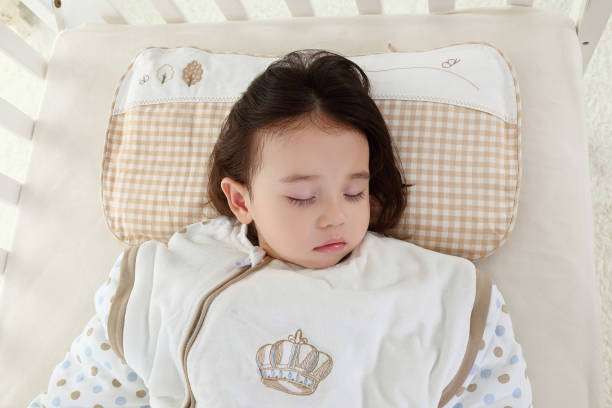
6. Temperature regulation and comfort of baby sleep sack
The thickness and material of a sleeping bag determine a baby’s comfort while sleeping. An overly thick sleeping bag can cause the baby to sweat and feel stuffy, actually increasing the feeling of restriction. Parents are advised to choose a suitable TOG value based on the season.
Tables are best for this kind of structured data:
| Season | TOG Value | Description |
|---|---|---|
| Summer | 0.5–1.0 TOG | Lightweight and breathable. |
| Spring and Autumn | 1.0–2.5 TOG | Moderately warm. |
| Winter | 2.5–3.5 TOG | Thick and warm. |
At a suitable temperature, babies can move freely in a sleeping bag without feeling restricted.
I’ve tried several baby sleep sacks myself and found that a properly sized, soft, and well-designed one makes my baby feel almost no restriction. Initially, you might need to observe your baby’s reaction after falling asleep to ensure they can move their arms and legs freely and don’t become irritable or cry.
8. How to tell if a baby feels restricted?
Parents can make a judgment through the following observations:
- Frequency of rolling over: If your baby rolls over and struggles frequently, they may be feeling uncomfortable.
- Crying: Difficulty falling asleep or frequent awakenings at night may also be caused by a feeling of being constricted.
- Hand and foot temperature: A sleeping bag that is too tight may affect blood circulation, so be careful if your hands and feet feel cold or red.
9. Baby Sleep Sack Safety Tips
Follow these safety guidelines:
- Avoid using sleeping bags that are too small or too tight.
- Do not layer blankets on top of each other, as this can increase the feeling of constriction and the risk of suffocation.
- Regularly check zippers and snaps to prevent pinching your baby’s skin.
- Choose products that meet safety certifications and ensure a reasonable design.
10. FAQ (Frequently Asked Questions)
1. Will a baby sleep sack restrict a baby’s ability to roll over?
A1: A properly designed baby sleep sack has ample shoulder and arm space and generally will not restrict a baby’s ability to roll over.
2. Will my baby get hot wearing a baby sleep sack?
A2: Choosing a sleeping sack of the appropriate thickness (TOG value) can maintain a comfortable temperature and prevent the baby from feeling stuffy.
3. Are baby sleep sacks suitable for newborns?
Newborns can wear them, but you need to choose the size specifically designed for newborns to ensure the safety of their shoulders and neck.
4. Can a sleeping bag and a blanket be used at the same time?
A4: It is not recommended to use them at the same time, as this may increase the risk of suffocation or a feeling of being constricted.
5. Which is more comfortable, the zipper version or the snap version?
A5: Zipper versions are usually designed with a balanced space, allowing the baby more freedom of movement, but snap versions can also be chosen in a looser style.
11. Summary
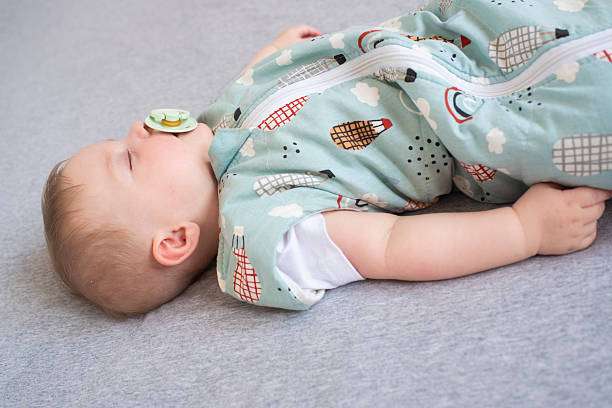
Baby sleep sacks are designed to provide a safe, comfortable, and unrestricted sleep environment. As long as parents choose a properly sized, soft, and well-designed sleep sack, and pay attention to the baby’s sleeping position and temperature regulation, the baby will hardly feel restricted. By observing the baby’s rolling over, crying, and the condition of their hands and feet, parents can quickly determine whether the baby is comfortable.
Choose a comfortable and safe baby sleep sack now so your baby can sleep soundly through the night and parents can have peace of mind!