
As an important component of infant sleep gear, baby sleep sacks not only provide warmth and safety but also influence a baby’s mood and sleep experience through their colors, patterns, and materials.
In recent years, parenting experts have increasingly focused on the potential impact of baby sleep sack design on a baby’s psychology and behavior.
This article will objectively analyze the relationship between the appearance of baby sleep sacks and a baby’s emotions, based on scientific research, user observations, and parental experience, and provide practical purchasing advice.
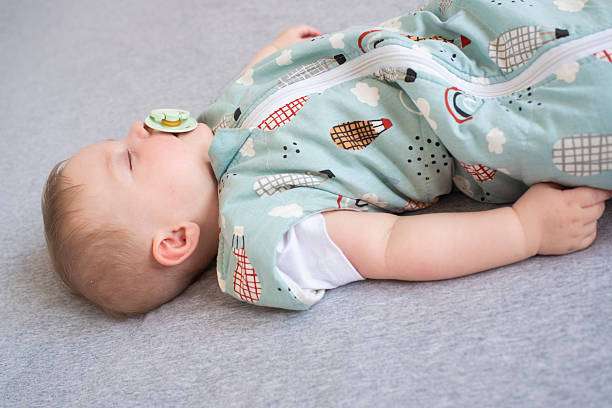
Basic functions of baby sleep sack
Before discussing the relationship between appearance and emotion, it’s necessary to clarify the basic functions of a baby sleep sack:
- Keep warm: Babies have a weaker ability to regulate their body temperature, and sleeping bags provide a warm, swaddled feeling, reducing nighttime awakenings.
- Anti-startle design: Sleeping bags can restrain the shoulders and arms, reducing startle reflexes in newborns and improving sleep continuity.
- Safe alternative blanket: Avoid covering your face with a blanket or letting it slip off to reduce the risk of suffocation.
Functionally, baby sleep sacks primarily meet physical safety and comfort needs, but recent studies have shown that their color, pattern, and material can also affect a baby’s mood.
Baby sleep sack appearance factors and baby’s mood
A baby sleep sack mainly includes color, pattern, texture, and shape; different elements may produce different emotional effects.
Color and Emotion
Warm colors (orange, yellow)
- Studies have shown that warm colors may increase a baby’s energy and happiness.
- However, overly bright colors may cause temporary excitement and are not conducive to a calm sleep before bedtime.
Cool colors (blue, green)
- Blue and green help soothe emotions, promote calmness, and aid sleep.
- use, itSuitable for nighttime use, improves sleep quality.
Neutral colors (beige, gray)
- Provides a stable and gentle visual environment.
- It helps babies build a sense of security and stabilize their emotions.
My friend was choosing a baby sleep sack for her baby; she found that the dark blue one made the baby fall asleep much faster, while the bright yellow one was more suitable for playtime during the day, showing the subtle effect of color on mood.
Patterns and Visual Perception
Simple patterns
- Stripes, polka dots, and gentle animal prints tend to create a sense of security.
- It will not overstimulate the visual system.
-contrastHigh contrast patterns
- Black and white or highly saturated patterns can stimulate a baby’s visual development.
- Suitable for observation during the day or when awake; soft patterns are recommended for observation during sleep.
Cartoons and animal characters
- Soft, cute animal patterns can increase feelings of joy.
- Complex, overly elaborate patterns may overexcite your baby at night.
Texture and tactile experience
- Soft fabrics such as cotton and bamboo fiber are comfortable to the touch and help relieve baby’s anxiety.
- Smooth or rough materials may cause mild discomfort, thus affecting emotional stability.
- A breathable sleeping bag helps babies maintain a balanced body temperature, reducing irritability and startling.
Shape and Enveloping Feel
- The close-fitting design enhances the sense of security.
- The relaxed design provides ample space for movement, making it suitable for very active babies.
- The feeling of being wrapped up is closely related to a baby’s sense of security, and it affects a baby’s nighttime mood and the frequency of waking up.
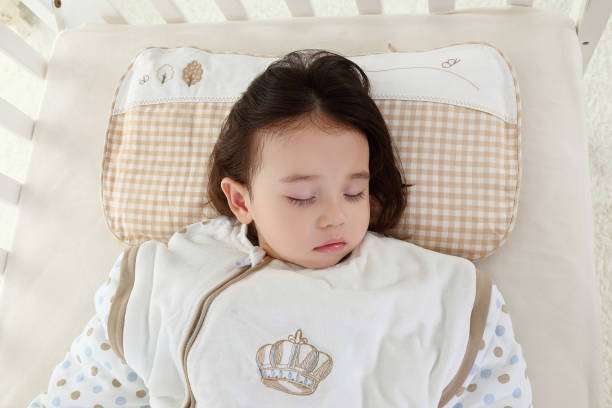
baby sleep sack appearance on different age groups
Newborns (0-3 months)
- They have low sensitivity to color and rely more on a tactile sense of security.
- The soft appearance and comfortable texture of baby sleep sacks can help stabilize mood.
3-6 months
- Increased visual sensitivity, responding better to high contrast and gentle patterns.
- Different models are available for daytime activities and nighttime sleep.
6 months or more
- They begin to develop independent visual interests and like cute or familiar patterns.
- A baby sleep sack with soothing colors and soft patterns before bedtime can help you fall asleep.
Observations and experience summary
Parents can observe their baby’s emotional reactions in different sleeping bags, such as how quickly they fall asleep, how often they wake up at night, and their mood changes during the day.
- Gradual adaptation is key: Don’t change to too many different sleeping bags at once.
- Prioritize comfort and safety: While appearance has a psychological impact, it cannot replace physical safety.
A parenting blogger mentioned that she chose a beige baby sleep sack with animal patterns for her baby and found that her baby cried less at night and was more stable during the day. She believes that “soft colors and familiar patterns make babies feel safe,” demonstrating the potential influence of appearance on mood.
Baby Sleep Sack Buying Recommendations
Color selection
- Choose soft colors (blue, green, beige) for nighttime sleep.
- During daytime activities, choose bright colors or high-contrast patterns to stimulate visual development.
Pattern Design
- Sleepwear should be as simple and repetitive as possible.
- Cute animal images or simple geometric patterns are more likely to be accepted by babies.
Fabric and feel
- Choose natural fibers, such as pure cotton and bamboo fiber.
- Avoid those containing irritating chemical fibers or rough textures.
Envelopment and comfort
- Newborn sleeping bags should provide a light swaddle feel, avoiding excessive tightness.
- For babies 6 months and older, a moderately loose design is available to ensure freedom of movement.
Security First
- Aesthetic appeal should not come at the expense of safety.
- Ensure the sleeping bag has no loose parts and that zippers or buckles are secure and reliable.
FAQ
Q1: Does the color of a baby sleep sack really affect a baby’s mood?
Yes, but the effect is relatively mild. Soft colors usually help babies fall asleep peacefully, while high-contrast colors are suitable for visual stimulation and daytime activities.
Q2: Are baby sleep sacks with intricate patterns suitable for sleeping?
For sleep, choose simple patterns. Complex patterns may overstimulate your baby and make it harder for them to fall asleep.
Q3: What should I do if my baby always resists the new sleeping bag?
Gradually introduce the baby to the colors, patterns, and textures through short, repeated use.
Q4: Are fabric and feel important?
Very important. Soft, breathable fabrics provide comfort and reduce irritability and startling.
Q5: Which is more important for a baby sleep sack: appearance or safety?
Safety first, appearance second. Appearance design is a secondary factor and cannot replace physical safety requirements.
Summarize
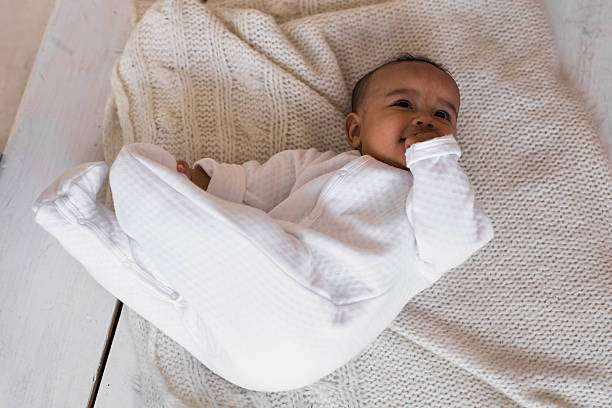
Baby sleep sacks are not only tools for warmth and safety, but their color, pattern, and texture can also influence a baby’s mood and sleep quality. Soft colors, simple patterns, comfortable materials, and a snug fit are key factors when choosing a baby sleep sack.
Parents can observe their baby’s reactions to different sleep sacks to gradually select the style that best suits their baby’s mood and sleep.
When choosing a baby sleep sack, it’s important to consider not only warmth and safety but also the impact of color, pattern, and texture on your baby’s mood. Selecting a soft, safe, and comfortable baby sleep sack will give your baby a sense of security during sleep, leading to more restful nights and calmer days.