
For new parents, a baby sleep sack is not only an essential item for their baby’s sleep but also a crucial guarantee for ensuring safe and comfortable sleep. However, many parents wonder when it comes to routine washing: is machine washing more convenient, or is hand washing gentler? This article will comprehensively analyze the differences between machine washing and hand washing of baby sleep sacks from the perspectives of cleaning effectiveness, material protection, lifespan, and convenience, and provide practical suggestions and tips.
Advantages and disadvantages of machine washing baby sleep sack
advantage
- are time-saving and labor-saving, often featuring baby or deluxe wash modes that can quickly complete a wash, making them ideal for busy parents.
- Thorough cleaning and high-temperature rinsing can effectively remove sweat stains, milk stains, and bacteria, which helps maintain the hygiene of the baby sleep sack.
- washing machine can clean the entire sleeping bag evenly, especially for heavy or padded models.
shortcoming
- Risk of material wear and tear: Frequent machine washing may cause the cotton, down, or fiber filling to deform or flatten, affecting the warmth retention of the baby sleep sack.
- Zippers and accessory wear: Sleeping bags with zippers, buttons, or decorations are prone to scratching the fabric or getting the zipper stuck during machine washing.
For partitioned protection, it is recommended to use a laundry bag or a special laundry net to prevent the baby sleep sack from rubbing directly against the washing machine’s agitator.
baby sleep sack directly into the washing machine for convenience, but after a few times she noticed slight wear on the edges of the sleeping bag. Only then did she start using a laundry net, and the effect was significantly improved.
Advantages and disadvantages of hand washing baby sleep sack
advantage
- with the gentle material avoids excessive agitation that could compress the filling, extending the lifespan of the baby sleep sack.
- Spot cleaning is more flexible; milk stains or sweat stains can be gently rubbed on the affected area, reducing wear and tear on the entire sleeping bag.
- More precise water temperature control allows for adjustment of water temperature according to different materials, preventing shrinkage or fabric damage.
shortcoming
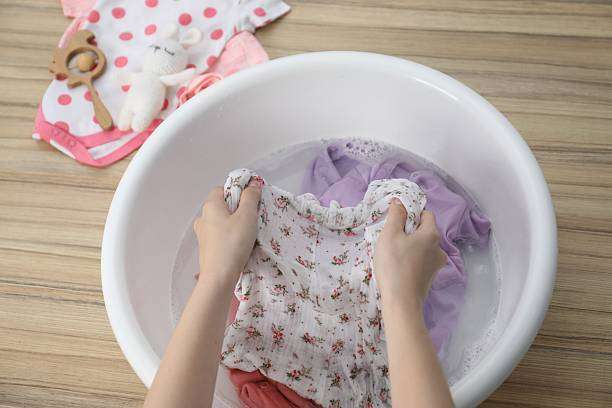
- is time-consuming and laborious, requiring considerable strength, especially for thick or down sleeping bags, which take a long time to wash.
- If rinsing is not thorough enough, detergent or stains may remain.
- The baby sleep sack is heavy and slow to dry. It retains a lot of moisture after handwashing, takes a long time to dry, and is prone to dampness and mold in winter.
I hand-washed a down-filled baby sleep sack for my baby. Although it took longer than machine washing, the down was much fluffier and warmer.
Machine washing vs. hand washing comparison table
| project | Machine wash | Hand wash |
|---|---|---|
| Time efficiency | High efficiency, requiring almost no manual operation. | Low temperature requires manual washing and rinsing. |
| Material protection | Easily worn out, requires a laundry bag for protection. | Gentle, extends the life of your sleeping bag |
| Cleanliness | Thorough high-temperature rinsing | Localized treatment requires manual scrubbing. |
| Convenience | High, especially when washing multiple items of clothing at the same time. | Low, suitable for single or lightly soiled sleeping bags |
| Suitable materials | Cotton, synthetic fiber, machine-washable labels | Down, wool, fine materials |
Baby Sleep Sack Cleaning Tips
- Before washing, carefully check the baby sleep sack label to confirm the machine-washable or hand-washable temperature.
- Use neutral detergents and avoid bleach or strong alkaline detergents to protect your baby’s skin.
- When machine washing, place the baby sleep sack in a laundry bag using a laundry net to reduce agitation and wear.
- When hand washing, gently rub and squeeze to avoid wringing dry. Gently squeeze out the water, then lay flat or hang to air dry naturally.
- Heavy sleeping bags can be dried in sections. For heavy sleeping bags filled with down or cotton, gently pat them to fluff them up before drying to prevent clumping inside.
Machine washing vs. hand washing recommendations
- For quick daily cleaning: Lightly soiled items can be machine washed; remember to use a laundry net to protect the sleeping bag filling.
- Down or premium sleeping bags: Hand washing or gentle machine washing is recommended to maintain their fluffiness and warmth.
- For travel or multiple items of clothing: machine washing saves time, but pay attention to zoning and temperature control.
FAQ
- Q1: How often should I clean my baby’s sleep sack? Generally, 1-2 times a week. If your baby sweats a lot or spits up frequently, you can increase the cleaning frequency.
- Q2: Will machine washing cause the baby sleep sack to shrink? High temperatures or prolonged agitation may cause some materials to shrink. Using a laundry net and a low-temperature setting can reduce the risk.
- Q3: Will hand washing a sleeping bag damage the filling? Proper hand washing will not simply rub and squeeze gently, avoiding vigorous scrubbing.
- Q4: What precautions should be taken when drying a baby sleep sack? Lay it flat or hang it in a well-ventilated place, avoiding direct sunlight to prevent the fabric from aging or fading.
- Q5: Can I tumble dry my baby sleep sack? Sleep sacks labeled as tumble dryable can be tumble dried on a low temperature, but down or fine sleeping sacks are recommended to be air dried.
Summarize:
Whether you choose machine washing or hand washing, the key is to protect the material and maintain hygiene. Parents can choose the method flexibly based on the sleeping bag’s material, washing frequency, and schedule.
- Neutral detergent + laundry net: Gently protects sleeping bags even during machine washing.
- Gently hand wash: Down or fine sleeping bags remain fluffy and warm.
- Regularly air and ventilate: Keep the sleeping bag dry to prevent bacterial growth.
Choose the right cleaning method to keep your baby’s sleep sack clean and comfortable, allowing them to fall asleep safely and with peace of mind.