As new parents, it’s easy to feel overwhelmed by the vast array of baby products available. Among them, a baby sleep sack is one of the first products many parents consider buying. It not only relates to the baby’s sleep safety but also directly impacts the convenience of nighttime care. So, is a baby sleep sack suitable for newborns? Today, we’ll provide a comprehensive analysis from multiple perspectives, including safety, comfort, usage methods, and a purchasing guide.
What is a baby sleep sack?
A baby sleep sack, as the name suggests, is a wearable sleep product designed specifically for infants. Similar to a small sleeping bag, it wraps the baby in a soft “safe shell.” Its main function is to replace a traditional blanket, preventing babies from kicking off the covers or rolling around in their sleep, which could lead to suffocation or getting cold.
Baby sleep sacks are typically made of soft, breathable fabric and are available in thin or thicker versions depending on the season. In addition, some high-end models feature temperature control or antibacterial fabrics, providing a more comfortable and healthy sleep environment for newborns.
In the first few weeks after my baby was born, I noticed that he often kicked off the blankets, causing him to wake up frequently at night. Since using the Baby Sleep Sack, my baby sleeps more soundly, and I can fall asleep more easily.
Safety of using baby sleep sack for newborns
1. To prevent suffocation and wrapping too tightly.
A newborn’s spine and respiratory system are not yet fully developed, and traditional blankets can easily be kicked off or used to cover their face, increasing the risk of suffocation. Baby sleep sacks, on the other hand, are designed to hold the baby in place without restricting arm movement, thus reducing the risk of accidents.
2. Control the temperature to prevent overheating.
Overheating is a risk factor for Sudden Infant Death Syndrome (SIDS). High-quality baby sleep sacks made of breathable cotton or bamboo fiber help regulate body temperature. Parents can also choose sleep sacks of different thicknesses depending on the season to ensure their baby is warm but not overheated.
I tried covering my baby with a thick blanket, but I found that he would become irritable and restless because of the heat. Since I switched to a breathable sleeping bag, he has turned over in bed much less often at night.
3. Avoid narrow spaces or overly tight wrapping.
Newborns especially need room to stretch their legs and arms. Choosing the right size baby sleep sack will keep your baby feeling snug without restricting their movement, which helps with their muscle and bone development.
Comfort of baby sleep sack
1. Natural sleeping posture
The baby sleep sack is designed to conform to a baby’s natural curves, with ample space in the shoulders and chest, allowing the baby to move their arms freely while maintaining a comfortable sleeping position. Newborns often prefer to curl up in their sleep, and the soft design of this sleeping sack perfectly meets this need.
2. The material is skin-friendly.
Newborns have delicate skin that is prone to allergies or rashes. Choosing a baby sleep sack made of pure cotton or organic fabric can reduce skin irritation and allow your baby to sleep more peacefully.
My baby has sensitive skin. After switching to an organic cotton sleeping bag, the rashes have decreased significantly, and the quality of sleep has improved every night.
3. Maintain temperature balance
Some babies are prone to cold hands and feet or sweaty abdomens. High-quality baby sleep sacks can maintain a balanced body temperature while being breathable, reducing crying at night due to temperature discomfort.
Newborn baby sleep sack selection guide
1. Size Selection
Newborns are small, so sleeping bags shouldn’t be too large; otherwise, the baby could easily slip inside, increasing the safety hazard. Generally, a small sleeping bag (50-70 cm) is sufficient for newborns. When purchasing, pay attention to your baby’s height and weight, and also check the brand’s size recommendations.

2. Fabric and Season
Summer: Choose a lightweight, breathable sleeping bag, such as one made of pure cotton gauze or bamboo fiber.
In winter: You can choose a thick or fleece-lined sleeping bag and pay attention to the indoor temperature to avoid overheating.
3. Safety Design Details
Shoulder buttons or zippers: make diaper changing easier and prevent the baby from opening them themselves.
No loose decorations: to prevent small parts from being swallowed by the baby.
Bottom space: Enough for the baby to stretch their legs, but not too large, to ensure safety.
4. Additional Feature Selection
Some baby sleep sacks feature glow-in-the-dark zippers or detachable sleeves, increasing the convenience of nighttime diaper changes and making them suitable for flexible use in different seasons. Choosing a design that suits your home environment and your baby’s habits can improve the efficiency of nighttime care.
Precautions for using baby sleep sacks on newborns
Avoid multiple layers of blankets: The baby is already in the sleeping bag and does not need an extra blanket.
Regular checks: Ensure the sleeping bag is not torn or the zipper is not stuck to the baby’s skin.
Check the temperature: Touch the back of the baby’s neck with the back of your hand to confirm that it is neither too hot nor too cold.
For a safe sleeping position, the baby should sleep on their back, and using a sleeping bag is most effective.
Adaptation period: When using it for the first time, let your baby experience it for a short time during the day to help them get used to the feeling of being wrapped in the sleeping bag.
Common Misconceptions about Using Baby Sleep Sacks for Newborns
Myth 1: Sleeping bags that are too thick will cause overheating.
When choosing a sleeping bag, parents should choose the appropriate style based on the room temperature and the thickness of the baby’s clothes, rather than simply pursuing the thickest one.
Myth 2: Babies will resist sleeping bags.
Newborns are highly adaptable and can be helped to get used to sleeping bags through a short transition period and parental companionship.
Myth 3: Newborns need complete arm freedom.
Baby sleep sacks usually leave room for the baby’s arms, allowing them to move their arms freely, ensuring comfort and safety.
In the first few weeks after my baby was born, I tried traditional blankets and swaddles, but I always had to frequently change the blankets at night, and the baby would easily wake up. Since using the baby sleep sack, my baby sleeps more soundly, and I can sleep peacefully too. Especially in winter, the warmth provided by the sleeping sack allows the baby to sleep peacefully throughout the night and reduces the number of times he wakes up.
Using a baby sleep sack for the first time, you can let your baby get used to it during the day for a short time so that he/she can gradually become familiar with the feeling of being wrapped up in the sleeping sack.
Summarize:
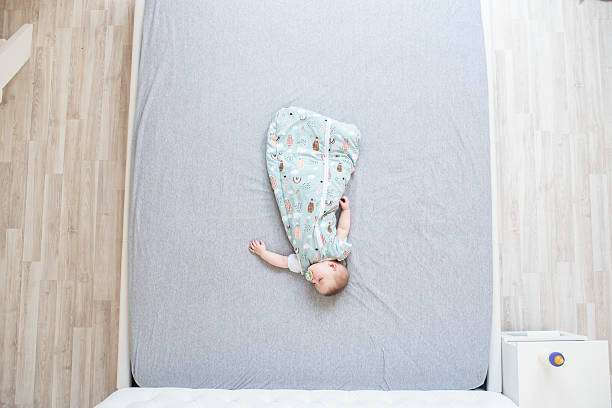
Considering safety, comfort, and ease of use, baby sleep sacks are ideal for newborns. They effectively reduce the risk of suffocation, maintain a stable baby’s body temperature, and help parents care for their babies more easily at night. As long as the correct size, breathable material, and proper usage are followed, newborns can use baby sleep sacks safely and comfortably.
If you’re looking for suitable sleep products for your newborn, we recommend choosing a high-quality baby sleep sack made of safe materials and designed to fit a newborn’s body shape. It not only ensures a comfortable sleep for your baby but also gives parents peace of mind at night.
Click here to see the best-selling baby sleep sack styles, allowing your baby to enjoy safe and comfortable sleep from birth.