
Baby sleep sacks, as an essential item for modern parents to provide safe and comfortable sleep for their babies, have received increasing attention in recent years. Compared to traditional blankets, baby sleep sacks can effectively prevent babies from kicking off the covers, getting cold, or even suffocating at night. However, many parents ask, “How long can a baby sleep sack be used?”
This article will provide you with a detailed analysis from multiple aspects, including baby’s growth stages, sleep habits, safety standards, and purchasing tips.
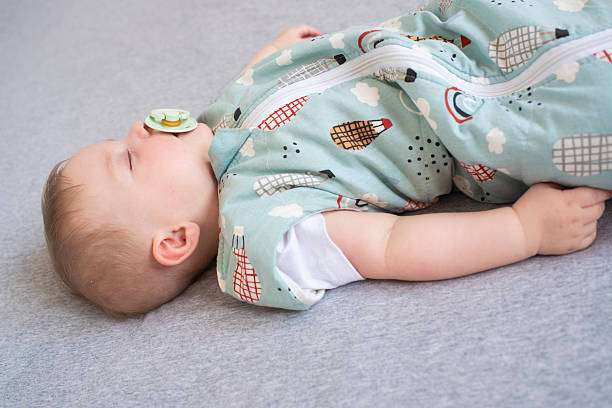
Why is Baby Sleep Sack so popular with parents?
Baby sleep sacks are designed to ensure the safety and comfort of babies while they sleep and are especially suitable for infants aged 0-3 years. They typically feature sleeveless or lightweight long-sleeved designs to prevent the fabric from choking the baby during sleep. Compared to blankets, baby sleep sacks have several distinct advantages:
Anti-kick design: Keeps the baby warm even when they roll over and kick off the blanket at night.
High safety: Reduces the risk of suffocation caused by loose blankets.
Facilitates sleep training: Sleeping bags help babies establish consistent sleep habits and fall asleep quickly.
I first used the Baby Sleep Sack on my baby; he was noticeably more restful than before, and he woke up much less often at night.
Until what age can a baby sleep sack be used? (By age group)
0-6 months: Newborn Infancy
Newborns have a weaker ability to regulate their body temperature and are easily chilled. A baby sleep sack can keep them warm very well. I recommend choosing a baby sleep sack made of soft cotton with moderate thickness. Babies at this stage are generally small, and the size of a sleep sack for 0-6 months is usually 50-70 cm.
Tip: Ensure the neck and shoulder areas are properly designed to prevent your baby from getting stuck in the sleeping bag.
6-12 months: Rolling over period
As babies begin to roll over and crawl, sleeping sacks need to not only keep them warm but also provide ample space for movement. For babies aged 6-12 months, an 80-90 cm baby sleep sack is recommended. Pay attention to the opening design, such as the safety of the zipper and the non-slip design on the shoulders.
My baby was in the rolling-over stage; using the baby sleep sack significantly improved his freedom of movement and reduced his nighttime blanket-kicking.
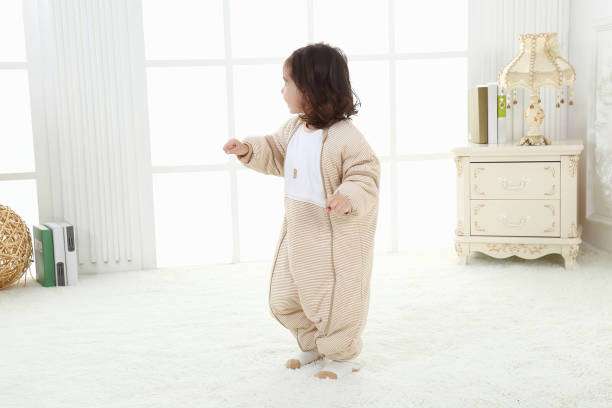
1-2 years old: Walking stage
Babies aged 1-2 years have increased mobility and begin to walk. A sleeping sack size of 90-100 cm is suitable, and the material can be relatively thin to prevent nighttime sweating. At this stage, the baby sleep sack provides more of a sense of security during sleep than warmth.
Preferred material: lightweight cotton or gauze, with good breathability.
Note: Check zippers, buttons, and other safety details to prevent your baby from pulling on them and getting injured.
2-3 years old: Early childhood
Most babies can adjust their own blankets or quilts by age 2-3. Whether a baby sleep sack can continue to be used depends on the baby’s size and personal preference. At this stage, choose a large sleeping sack (100-110 cm) or transition to a sleeping sack with detachable sleeves to help the baby adapt to independent sleep.
My baby was still using a sleeping bag at two and a half years old, which made it easier for him to stay still and reduced startling when he woke up in the morning.
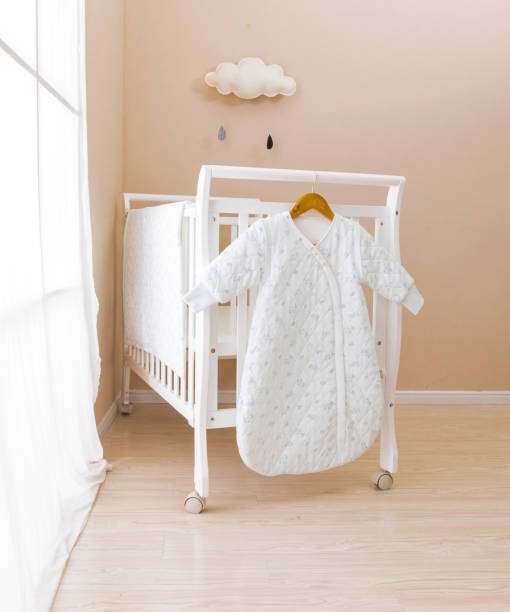
Precautions for using Baby Sleep Sack
Choose the appropriate thickness
based on room temperature. In summer, choose a thinner or gauze material, while in winter, choose a thicker or fleece material.
Check the size of
the sleeping bag. If it’s too small, it restricts movement; if it’s too large, the baby may crawl into the sleeping bag with their head inside. Generally, follow the principle of the baby’s height + 10~20 cm.
Focus on safety design
Zippers should have a design to prevent fingers from being pinched.
No loose decorations to prevent accidental swallowing.
The shoulder and neck areas are designed to prevent choking.
Baby sleep sacks need to be cleaned and maintained
regularly to keep them hygienic. It’s best to choose materials that are easy to wash, durable, and hypoallergenic.
The psychological and habitual influences of baby sleep sack use
Baby sleep sacks are not only a physical way to keep babies warm, but they can also have a psychological impact on a baby’s sleep habits:
Sense of security: A fixed sleeping bag helps babies establish a sleep ritual, making it easier for them to fall asleep.
Independent sleep training: Sleeping bags define a sleep space and help babies learn to sleep independently.
Reduce nighttime anxiety: When babies are in a familiar sleeping bag, they are more likely to soothe themselves if they wake up at night.
?How to determine if your baby is suitable to continue using the Baby Sleep Sack ?
Sleeping bag length: If the baby’s feet touch the bottom or the sleeping bag seems too short, it means you need to change to a larger size or transition to a blanket.
Comfort during activity: The baby’s ability to roll over is restricted, arm movement is limited, and the sleeping bag size is not suitable.
Independent will: Some babies may resist sleeping bags after the age of 2 to 3, and this can be gradually transitioned to.
Generally speaking, baby sleep sacks can usually be used until 2-3 years old, depending on the baby’s development.
Baby Sleep Sack Buying Guide
gauze,Material: 100% cotton, gauze or bamboo fiber, soft and breathable, safe and non-irritating.
Thickness: Select the TOG (Thermal Overall Grade) value according to the season: 0.5~1.0 in summer and 2.5~3.0 in winter.
Opening design: zipper safety, anti-pinch, and shoulder anti-slip.
Size: Choose according to your baby’s height. 0-6 months: 50-70 cm; 6-12 months: 80-90 cm; 1-2 years: 90-100 cm; 2-3 years: 100-110 cm.
Conclusion:
Baby sleep sacks are not only tools for keeping babies warm at night but also symbols of safety and psychological comfort. From the newborn period to toddlerhood, choosing the right size and material can accompany your baby through 2-3 years of growth. Parents can also enjoy a more relaxed and reassuring nighttime care experience while using them.
If you haven’t prepared a baby sleep sack for your baby yet, you can now choose a comfortable, breathable, and safe sleeping bag to let your baby sleep peacefully and have a warm and secure night.
Click now to buy the perfect baby sleep sack for your baby and create a safe and comfortable sleep environment!