
As new parents, your baby’s sleep safety is always a top priority. Many parents face a question after their baby is born: When is the best time to start using a baby sleep sack? When used properly, a baby sleep sack can not only keep your baby warm but also effectively reduce the risk of suffocation and Sudden Infant Death Syndrome (SIDS); however, improper use may affect your baby’s comfort and safety.
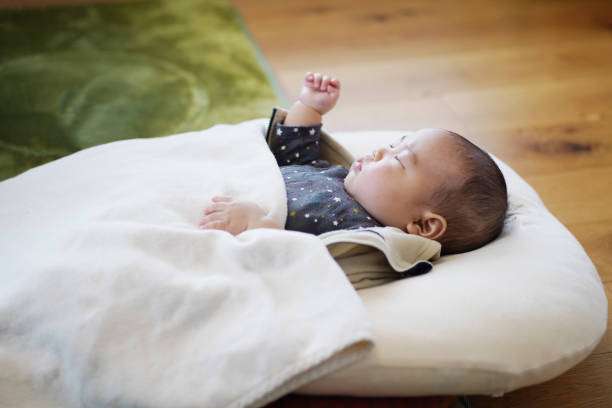
The role of baby sleep sack
answering “When should we start using baby sleep sacks?” let’s first understand the main functions of baby sleep sacks:
kick
off their blankets while sleeping, especially in winter. A baby sleep sack can keep your baby warm throughout the night and prevent them from getting cold.
Reducing the risk of suffocation:
Traditional blankets can easily cover a baby’s mouth and nose, causing breathing problems. The baby sleep sack is designed to fit snugly against the shoulders and neck, reducing the risk of suffocation and improving sleep safety.
A secure swaddle helps babies fall asleep, mimicking the maternal environment, allowing them to fall asleep faster and stay soundly asleep throughout the night.
Easy to care for and change diapers:
Most baby sleep sacks are designed with easy-to-open zippers, so you don’t have to completely remove the baby when changing diapers, which is both effortless and safe.
Suitable age range
Regarding “when to start using a baby sleep sack,” the main considerations are the baby’s size and developmental stage:
For newborns (0-3 months):
Newborns’ thermoregulation abilities are not yet fully developed, so it is recommended to choose a soft, breathable, and moderately warm baby sleep sack. This stage is a suitable time to start using a baby sleep sack, but it is essential to ensure the size is correct; the shoulders and neck should not be too loose or too tight.
aged 3-6 months
Become more active and roll over more frequently. Using a baby sleep sack can reduce accidents caused by kicking off the blanket or rolling over, while keeping them warm and comfortable.
aged 6-12 months can roll over and sit up more easily. At this stage,
It is important to choose a slightly larger baby sleep sack to ensure safety and comfort. Avoid socks that are too tight, as this may hinder motor development.
Some babies over 12 months old may start to wean off
their baby sleep sack and switch to a light blanket or quilt, but it is still a good choice for babies who are active at night and tend to kick off their blankets.
a baby sleep sack shortly after birth, especially at night. But choosing the right size and thickness is crucial.
Key points to select
1. Suitable size
A baby sleep sack must match the baby’s body size; the shoulder opening should not be too wide or too narrow. If it’s too wide, it may slip off easily; if it’s too narrow, it will restrict movement. Parents should measure their baby’s height and refer to the size chart provided by the brand before purchasing.
2. The fabric is comfortable and breathable.
Babies have delicate skin, so it’s recommended to choose fabrics made of 100% cotton or organic cotton, which are breathable, soft, and won’t irritate the skin. In winter, you can choose styles with a thin fleece layer to keep them warm without making them too hot.
3. Safety Design

Shoulder opening design: easy to put on and take off and prevents slipping.
No loose decorations: to prevent small parts from falling off and causing safety hazards.
Suitable zippers or buttons: Zippers should have protective fabric to prevent scratching the baby’s skin.
4. Thickness and seasonal matching
Summer: Choose a lightweight style to avoid overheating.
Winter: Choose fleece-lined or thicker styles, but be careful not to choose ones that are too thick to avoid restricting your movements.
Spring and Autumn: Medium thickness is sufficient, balancing breathability and warmth.
Precautions for use
Do not overwrap your baby
, even in winter. Do not layer heavy blankets inside the baby sleep sack, as this can easily cause overheating.
Regularly check your baby’s temperature
by touching their neck or back. If your baby is sweating or overheating, adjust the thickness of the fabric or replace it with a thinner one.
Keep sleeping bags clean.
Baby sweat and milk stains can cause bacteria to grow, so sleeping bags need to be washed regularly to ensure hygiene.
Observe your baby’s movements
, especially those who roll over frequently, and make sure the sleeping bag is the right length to avoid trapping or restricting their movements.
Avoid using a pillow. The
The baby sleep sack design already provides a safe space and does not require an extra pillow, which could increase the risk of suffocation.
a baby sleep sack one month after birth. Initially, I chose the soft cotton version, a size slightly larger, to avoid it becoming unsuitable as the baby grew. At first, I was worried the baby wouldn’t get used to it, but we quickly found that:
The baby’s nighttime kicking off of the blankets has significantly decreased.
Falling asleep faster and more soundly
I can also observe and care for the baby more easily, and it’s easier to get up at night to change diapers.
This made me realize that baby sleep sacks not only help ensure the safety of babies’ sleep but also greatly improve the convenience of parents’ lives.
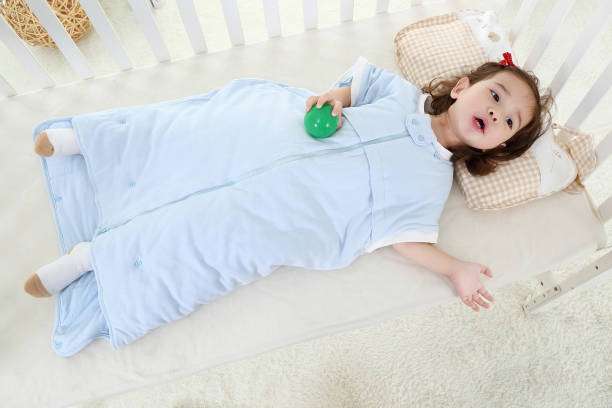
Summarize:
It can begin in the newborn stage, especially during nighttime sleep.
Choose the right size and fabric to avoid feeling restrictive or overheated.
Adjust the thickness according to the season to ensure comfort.
Observe your baby’s reaction frequently; adjust accordingly if sweating or limited activity is observed.
Avoid using extra pillows or heavy blankets to ensure safety.
In short, a baby sleep sack is an important tool for modern parents to ensure their baby’s sleep safety and comfort. When used correctly, it can help babies fall asleep soundly and make life easier for parents.
If you’re choosing your baby’s first sleep sack, we recommend selecting a high-quality style that fits well, is breathable and soft, and is suitable for the season. Click here to see our curated list of baby sleep sack recommendations, ensuring your baby has a safe and comfortable night’s sleep, giving parents peace of mind and a more restful sleep!