
For new parents, choosing sleep products for their baby is a crucial task. An infant’s sleep quality not only affects their healthy growth but also directly impacts the parents’ rest. In recent years, baby sleep sacks have gradually become the top choice for newborns and infants due to their anti-kick-off function. This article will analyze the design logic of baby sleep sacks from multiple perspectives, including design principles, functional analysis, and material selection, helping you better understand how to choose the right sleeping bag for your baby.
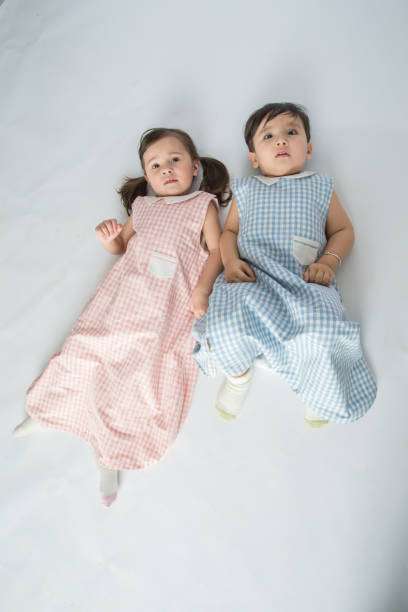
The design concept of the baby sleep sack anti-kick blanket
Traditional blankets are easily kicked off by babies, especially active babies who are prone to exposing their bodies when turning over or kicking at night, increasing the risk of catching a cold. Baby sleep sacks were developed to address this issue, and their core design concept is
Fixed sleeping space: Through closed or semi-closed design, the baby can maintain a comfortable range of movement inside the sleeping bag.
Reduce the risk of catching a cold: Even if the baby rolls over or kicks at night, their body will not be exposed.
Safety first: Avoid using loose bedding to reduce the risk of suffocation or having your face covered.
My baby used to roll over a lot when he was born and would often kick off the blankets at night, resulting in cold hands and feet. Since using the Baby Sleep Sack, my baby has been able to sleep soundly all night, and both my baby and I sleep much more peacefully.
Core design elements of anti-kick blanket
1. Neckline design
A baby sleep sack directly affects safety and comfort. Common designs include:
Loose-fitting crew neck: Avoids constriction around the neck and increases breathability.
Fitted neckline design: Some sleeping bags feature a slightly fitted neckline design, which secures the baby’s shoulders without causing pressure.
The neckline design should balance safety and freedom of movement, allowing the baby to stretch their arms freely without compromising the overall anti-kick effect of the sleeping bag.
2. Cuff design
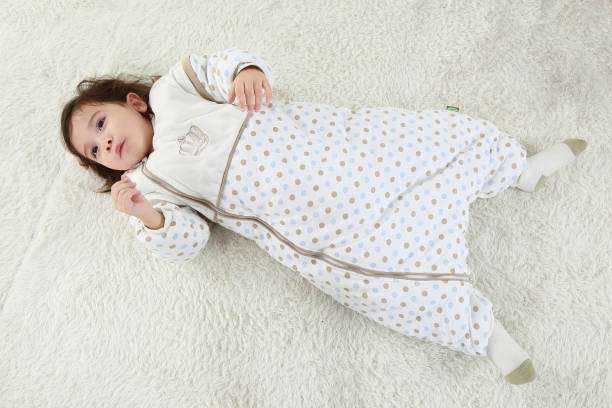
Sleeve version: Provides better warmth and is suitable for winter.
Sleeveless style: More breathable, suitable for summer or environments with high room temperature.
The cuffs are usually designed to be loose or elastic, allowing the baby to stretch out while avoiding the arms being too tightly bound.
3. Hem design
The key to preventing blankets from being kicked in lies in the looseness and closure of the hem:
Loose swaddling: prevents the baby’s legs from getting stuck when kicking, while ensuring air circulation inside the sleeping bag.
Zipper/button closure: Secures the baby’s legs and prevents the blanket from slipping off.
The sleeping bag features a 3D bottom design, providing space for the baby’s feet, allowing them to kick freely without affecting the overall warmth.
4. Zipper or fastener design
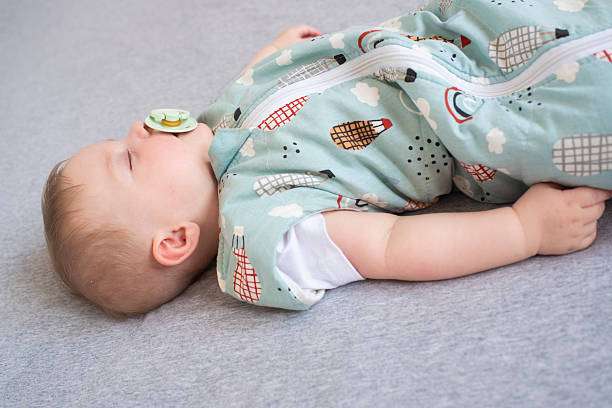
Side zipper design: makes it easier for parents to change diapers or pick up the baby, reducing interference at night.
Anti-pinch design: The top of the zipper or buckle is usually equipped with a protective flap to prevent the baby’s skin from being pinched.
Baby Sleep Sack Anti-Kick Blanket Material Analysis
A baby sleep sack not only affects comfort but also directly relates to safety and breathability.
1. Fabric material
Pure cotton fabric: soft and breathable, suitable for newborns, reducing the risk of allergies.
Bamboo fiber: It is moisture-wicking and breathable and has a soft feel, making it suitable for summer use.
Velvet or flannel: Excellent warmth retention, suitable for winter or low indoor temperatures.
2. Filling material
Cotton filling: natural, soft, and warm.
Polyester fiber filling: lightweight, provides stable warmth, and is easy to wash and dry.
The amount of filling should be moderate; too thick a filling will restrict the baby’s movement, while too thin a filling may not provide enough warmth.
Safety considerations for anti-kick blankets
Avoid overly tight sleeping bags: Overly tight sleeping bags can affect a baby’s breathing and turning over.
Avoid loose blankets: Sleeping bags themselves prevent kicking, so there is no need for extra blankets, reducing the risk of suffocation.
Breathability: Choose breathable fabrics and a well-designed hem to avoid stuffiness.
Suitable size: Choose different sizes for babies of different ages to ensure that the baby has enough space to turn over in the sleeping bag.
The baby sleep sack I bought for my baby features a side zipper and a loose hem design, which helps maintain a stable body temperature even if the baby kicks at night and also makes diaper changing very convenient.
Baby sleep sacks for different seasons to prevent kicking
Summer: Lightweight and breathable fabrics are recommended, such as sleeveless styles or those with thin cotton padding, to ensure air circulation.
Spring and Autumn: Moderate thickness, long-sleeved or short-sleeved, ensuring comfort and warmth.
Winter: Thick fleece or flannel material, long-sleeved style, and a sleeping bag cover if necessary to ensure the baby stays warm.
Benefits of the baby sleep sack’s anti-kick design
Improve sleep quality: Prevent kicking off the covers and catching a cold, and improve the continuity of sleep throughout the night.
Reduce nighttime care stress: Babies are less likely to kick off the blankets, so parents don’t need to frequently cover them up or worry about them getting cold.
High safety: Prevents the risk of suffocation, giving parents greater peace of mind.
Promote independent sleep habits: Sleeping bags create a fixed sleeping space for babies, gradually cultivating independent sleep habits.
How to choose the right baby sleep sack to prevent kicking
Choose the size according to the child’s age: the sizes are different for newborns (0-3 months), infants (3-12 months), and toddlers (12-24 months).
Focus on material comfort: soft, breathable, safe, and non-irritating.
Pay attention to design details: zippers, fasteners, safety flaps, and the looseness of the hem.
Seasonal matching: Choose the thickness and fabric that are suitable for the current ambient temperature.
Brand reputation: Choose brands with safety certifications to ensure reliable quality.
Summarize
The baby sleep sack is not only for warmth but also for the safety, comfort, and development of independent sleeping habits in babies. From the collar, cuffs, hem, and zipper design to the choice of materials, every detail reflects scientific and human-centered considerations. Choosing the right sleep sack for your baby not only ensures a peaceful night’s sleep for them but also gives parents peace of mind.
If you want your baby to sleep soundly, comfortably, and safely all night, consider choosing a high-quality baby sleep sack to prevent them from kicking.