
A baby’s sleep quality is directly related to their physical development and mental state. When choosing sleep products for their babies, parents often face a dilemma: which is better, a baby sleep sack or a blanket? Many new parents are confused by the wide variety of products on the market and don’t know whether to choose a safer baby sleep sack or a traditional blanket.
baby sleep sacks and blankets from aspects such as safety, comfort, ease of use, suitability for different growth stages, purchasing tips, and practical usage experience to help parents make informed choices. We will also share some practical tips to help babies sleep better and give parents peace of mind.
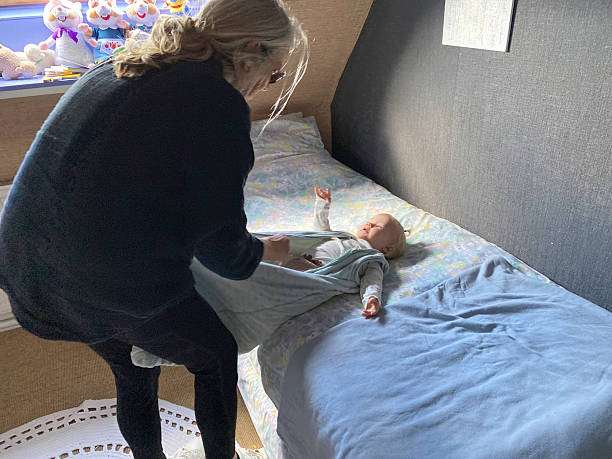
Security Comparison
Babies are very active and tend to roll over easily at night, so using traditional blankets can pose certain safety risks.
1. Safety risks of blankets
Suffocation risk: Babies may cover their faces with the blanket while sleeping, leading to breathing difficulties. This risk is especially high for infants aged 0-6 months, whose neck and chest muscles are not yet fully developed.
Risk of slipping: The blanket can easily be kicked off or rolled to one side by the baby, causing them to get cold at night and increasing the burden on parents to frequently tidy up the blanket.
Risk of getting caught in blankets: Active babies may get caught in blankets while rolling over or crawling, increasing the likelihood of accidents.
2. Safety advantages of baby sleep sack
Baby sleep sacks feature a fixed design, preventing babies from kicking them off or having their faces covered, effectively reducing the risk of suffocation and the blanket slipping off. Most sleep sacks on the market are made of breathable cotton, gauze, or fleece, ensuring the baby’s safety and comfort.
Using the Baby Sleep Sack for my baby, I no longer worry about the blanket slipping off at night. My baby sleeps soundly all night, and I can get more peace of mind to rest.
The design philosophy of sleeping bags prioritizes both support and breathability. For example, many brands now use open shoulder designs to ensure free movement of the baby’s upper body, while the slightly wider hem ensures sufficient legroom and doesn’t restrict the baby’s natural movements. This is crucial for preventing suffocation and enhancing safety.
Comfort Comparison
1. Comfort of the quilt
Adjustable thickness: The thickness of the quilt can be adjusted according to the season. In winter, you can choose a thick cotton quilt or a down quilt, while in summer, you can choose a thin and breathable quilt to ensure that the baby’s body temperature is suitable.
Soft touch: Babies often like the softness of a blanket, which brings them a sense of security and helps them fall asleep quickly.
However, blankets are easily kicked off or unevenly covered at night, requiring parents to tidy them up multiple times, which may also disturb the baby’s sleep.
2. Comfort of baby sleep sacks
Baby sleep sacks are typically available in summer, spring/autumn, and winter versions. They are breathable and prevent babies from kicking off their blankets and getting cold. The sleep sack fits the baby’s body, providing a comfortable wrapping sensation, which helps the baby fall asleep and reduces blanket shifting when turning over.
Friendly reminder: When choosing a baby sleep sack, select the appropriate thickness based on your baby’s body temperature and room temperature. A sack that is too thick may overheat your baby, while one that is too thin will not provide enough warmth. My baby sleeps very comfortably in the summer using the lightweight cotton gauze version and doesn’t sweat at night.
In addition, the material of a baby sleep sack directly affects comfort. Natural cotton or organic gauze is breathable, soft against the skin, and does not irritate a baby’s delicate skin. Some fleece or thicker versions are suitable for colder seasons, but care must be taken to prevent overheating, which is especially important in winter.
Ease of use comparison
1. The convenience of blankets
It requires tidying and folding every day, which is tedious and time-consuming.
Babies tend to kick things off when they roll over, which can disrupt their sleep.
Parents need to check and remake the bed frequently at night.
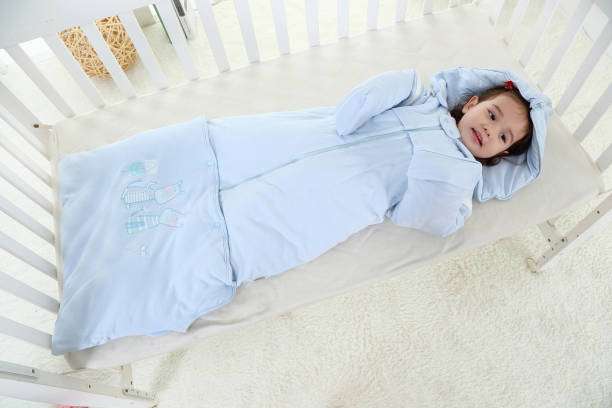
2. The convenience of baby sleep sacks
Easy to put on and take off; most have zippers or snap buttons.
Easy to carry when going out or traveling
No need to worry about the baby kicking off the blanket
Machine washable or hand washable, easy to clean.
When traveling, bringing a baby sleep sack is much easier than bringing a heavy blanket, and it saves a lot of time on preparation. I even put the sleeping sack on my baby on the plane, and the baby fell asleep peacefully, allowing me to get some rest.
In addition, sleeping bags reduce the hassle of changing clothes and making the bed at night when going out, allowing babies to quickly adapt to their sleep rhythm in unfamiliar environments. This is especially important for new parents.
Suitable developmental stages for babies
0-6 months: Infants’ muscles are not fully developed, and their ability to roll over is limited. It is recommended to use a baby sleep sack for greater safety.
6-12 months: Babies start to roll over and crawl, and sleeping bags are still an ideal choice to prevent them from kicking off the blankets and getting cold.
For children over 1 year old: You can gradually transition to a thin blanket according to your baby’s habits to cultivate their ability to sleep independently, but a light sleeping bag can still be used at night.
My baby started using a baby sleep sack when he was 2 months old. The sleep sack was very helpful when he tossed and turned frequently at night. When he was a little over 1 year old, I started trying a combination of a lightweight blanket and a sleep sack to help him gradually learn to sleep independently.
It’s worth noting that as your baby grows, you can gradually transition the sleeping bag from a close-fitting style to a slightly looser one, ensuring that your baby has enough room to move around while still maintaining safety.
Things to note when choosing a baby sleep sack
Material safety: Natural cotton or breathable gauze is preferred, avoiding materials containing irritating chemicals.
Proper Size: The sleeping bag should be about 10-15 cm longer than the baby’s height to allow the baby to move freely.
Seasonal selection: Breathable and thin for summer, and thicker versions with quilted or fleece lining for winter.
Easy to clean: can be machine washed or hand washed to keep clean and hygienic.
Detailed design features such as shoulder openings, zipper protection, and breathable mesh enhance the user experience.
The baby sleep sack I chose has a removable inner liner, making it suitable for both winter and summer, which is very practical. It’s also easy to carry when going out, and my baby can fall asleep quickly even in unfamiliar environments.
Quilt usage tips
If parents still wish to use blankets, they can take the following steps to reduce the risk:
Choose a lightweight, breathable baby blanket.
Avoid using adult-sized blankets
Make sure the blankets are laid out at the same time every night to prevent them from shifting during the night.
A blanket or sleeping bag can be used as an aid.
Comprehensive Comparison Conclusion
| Dimension | baby sleeping sack | Quilt |
| Security | ★★★★★ | ★★☆☆☆ |
| warmth | ★★★★☆ | ★★★★★ |
| Ease of use | ★★★★★ | ★★☆☆☆ |
| Suitable stage | 0-3 years old | 1 year and older |
| Portability | ★★★★★ | ★☆☆☆☆ |
It’s clear that baby sleep sacks are significantly superior to traditional blankets in terms of safety, convenience, and age suitability, especially for babies aged 0-12 months. Blankets, while slightly better in terms of warmth, require more attention and care from parents.
My baby started using the baby sleep sack when he was 2 months old. In winter, when paired with a light cotton blanket, the baby sleeps more soundly at night, and I feel much more relaxed.
Purchase Recommendations
If you want your baby to sleep safely, comfortably, and easily, a baby sleep sack is a better choice. When choosing one, consider brand reputation, material safety, and seasonal styles to ensure your baby sleeps soundly through the night, giving parents peace of mind.
Baby sleep sacks not only enhance safety but also reduce the hassle of making out blankets at night, making them especially suitable for babies aged 0-12 months. Choosing the right material and thickness can further improve your baby’s comfort, helping them enjoy sleep.
Want a safer and more comfortable sleep environment for your baby? Click now to purchase a high-quality baby sleep sack, ensuring your baby sleeps soundly through the night, giving parents peace of mind!