
Choosing the right sleep products for your baby is an important task for every new parent. With increasing awareness of safe sleep at night, more and more families are choosing baby sleep sacks instead of traditional blankets. However, a common question is, how do you determine if a baby sleep sack is too hot or too cold for your baby? Sleeping too hot or too cold can affect a baby’s comfort and health and may even increase the risk of Sudden Infant Death Syndrome (SIDS).
Why is baby sleep sack temperature important?
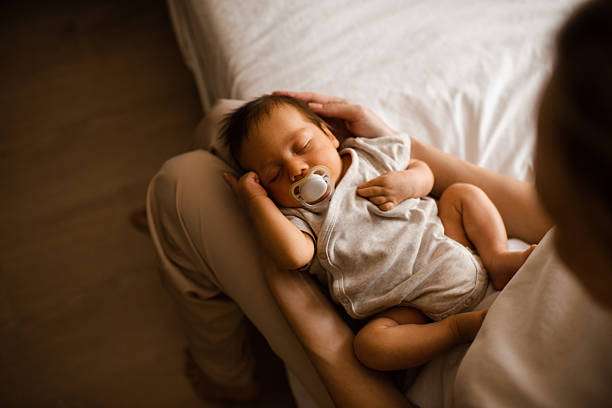
Newborns have a weaker ability to regulate their body temperature, making their body temperature easily affected by the environment. The suitability of the baby’s sleep sack temperature directly impacts:
Is the baby comfortable at night?
Is your sleep deep?
Do you sweat easily or catch a cold easily?
Overheating can lead to skin rashes, excessive sweating, and even increase the risk of SIDS, while being too cold can easily cause catching a cold, waking up startled, or crying at night.
How to determine if it’s too hot
1. Feel the temperature of the back of the baby’s neck.
The temperature of the back of the baby’s neck is the most direct indicator. If the back of the neck is hot and damp, the baby’s sleep sack is too hot. Conversely, if the back of the neck is warm and dry, the temperature is suitable.
2. Observe the baby’s sweating.
An overheated baby sleep sack will cause your baby to sweat excessively, especially on their head, back, and arms. You can easily feel the sweat with a gentle touch. If the sack feels noticeably damp, adjust the thickness of the sleep sack or switch to a thinner one.
3. Pay attention to the baby’s movements and facial expressions.
When a baby sleep sack is too hot, the baby may kick their legs frequently, toss and turn restlessly, or even cry. In contrast, a comfortable sleep sack can help the baby fall asleep peacefully.
4. Refer to the sleeping bag thickness and room temperature.
Baby sleep sacks are usually labeled with their suitable temperature (TOG value) based on their thickness. For example:
0.5 TOG: Suitable for summer
1.0 TOG: Suitable for spring and autumn
2.5 TOG: Suitable for winter
A baby sleep sack with a high TOG value when the room temperature is high may cause overheating.
How to tell if it’s too cold
1. Assessing hand and foot temperature
Cold hands and feet are a common sign that your baby’s sleep sack is too cold. Gently touch your baby’s hands and feet; if they are significantly colder than the back of their neck, it means your baby’s sleep sack is too cold.
2. Baby’s reaction
An overly cold baby sleep sack can cause babies to curl up, tighten their arms, startle frequently, or even cry. Observing these behaviors can help determine if the sleeping sack temperature is suitable.
3. Match room temperature with sleeping bag
In winter, when room temperature is low, babies are prone to catching a cold if a thin baby sleep sack or no extra insulation is used. Parents can adjust the temperature by adding a thicker layer or a blanket over the sleep sack, but safety must be ensured.
Choose the right material
The material directly affects the temperature sensation and breathability of a baby sleep sack:
Pure cotton material: soft and breathable, suitable for most seasons.
Wool material: Highly warm, suitable for cold winters
Bamboo fiber material: moisture-wicking and breathable, best used in summer.
Choosing the right material can effectively reduce the risk of a baby sleep sack being too hot or too cold.
How to adjust baby’s sleep sack in different seasons
1. Summer
Uses a lightweight and breathable design with a TOG value of approximately 0.5.
Maintain room temperature at 24-27℃
Pay attention to the temperature of your baby’s head and back of the neck, and avoid sweating.
2. Spring and Autumn
Medium thickness can be used, with a TOG value of approximately 1.0.
Pay attention to room temperature fluctuations and add or remove clothing as needed.
Ensure the sleeping bag is breathable
3. Winter
Use a thick sleeping bag with a TOG value of 2.5 or higher.
Maintain room temperature at 20-22℃
Make sure the sleeping bag covers the baby’s entire body, but do not wrap the head.
When my baby was first born, I used a baby sleep sack that was too thick. In the summer nights, he would often sweat and toss and turn restlessly. After switching to a thinner, more breathable one, his sleep became significantly more restful.
Later, I changed the thickness of the baby sleep sack according to the season and adjusted the room temperature accordingly. My baby cried much less at night and slept more soundly. This made me realize that choosing the right baby sleep sack and judging the temperature are crucial.
Other tips for judging temperature
Touch method: Gently touch the back of the baby’s neck and hands and feet to determine the temperature.
Observation method: Observe the baby’s sleeping position, frequency of turning over, and sweating.
Room temperature matching method: Choose the thickness and material of the sleeping bag according to the room temperature.
Layering method: Adjust the thickness of clothing and sleeping bags according to changes in nighttime temperature.
These methods, when used together, can effectively prevent the baby sleep sack from being too hot or too cold.
Common Misconceptions
Myth 1: As long as the blanket is thick, the baby won’t get cold.
Overly thick sleeping bags can easily lead to overheating, increasing discomfort and the risk of SIDS.
Myth 2: Cold hands and feet mean the baby is cold.
Newborns have slow blood circulation in their hands and feet, so it is necessary to make a comprehensive judgment based on the temperature of the neck and back.
Myth 3: The bigger the sleeping bag, the better.
An oversized sleeping bag may cause the baby to slide around, affecting safety and temperature perception.
Summarize
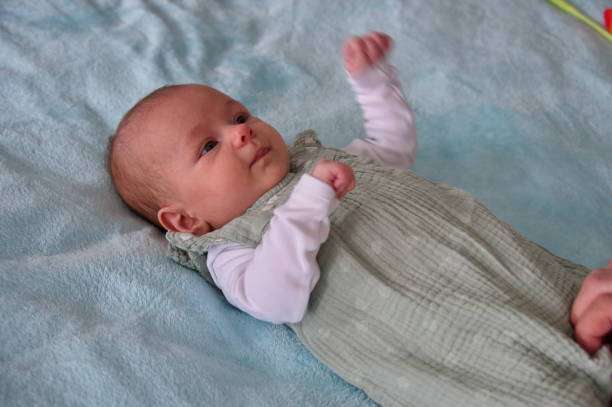
To determine whether a baby sleep sack is too hot or too cold, the following factors should be considered:
Touch the back of the neck to check temperature and observe for sweating.
Pay attention to the temperature of the baby’s hands and feet and their movements.
Choose the appropriate TOG value and material based on room temperature.
Adjust the thickness of clothing and sleeping bags flexibly according to the season.
Knowing how to scientifically determine the temperature to ensure your baby’s comfort and safety in a baby sleep sack is an essential skill for new parents.
A baby sleep sack for your baby’s comfort and safety at night is crucial, considering the season and its feel. Select a soft, breathable, and appropriately thick baby sleep sack now to ensure your baby stays warm and secure every night.
Click here to purchase a safe and comfortable baby sleep sack for a more restful sleep.