
As babies grow, parents gradually realize the importance of providing a safe and comfortable sleep environment. In this process, baby sleep sacks, as a common sleep aid, are increasingly becoming the first choice for many families. Baby sleep sacks not only provide stable warmth for babies but also reduce potential safety hazards such as suffocation and kicking off the covers. However, many parents have questions about baby sleep sacks: How to choose the right sleeping sack based on the season and the baby’s needs? In particular, what exactly does the TOG value mean, and how can one choose the optimal TOG value?
This article will answer these questions in detail, helping you choose the most suitable baby sleep sack for your baby and ensuring that your baby has a safe and comfortable sleep in every season.
1. What is a baby sleep sack? What is its function?
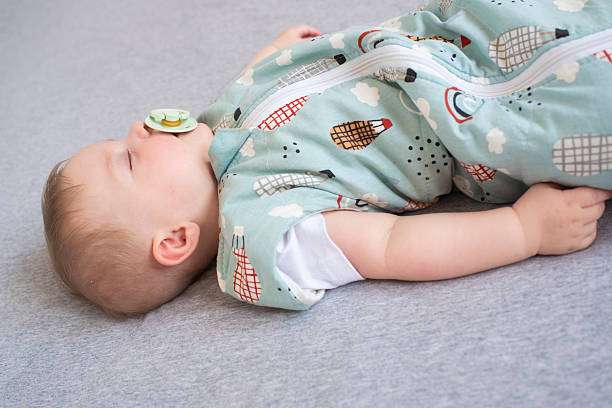
A baby sleep sack is a sleep aid designed specifically for babies. Typically made of soft fabric, it covers the baby’s body, replacing a traditional blanket or quilt. The sack’s closed design prevents babies from kicking off the covers or covering their faces while sleeping, reducing the risk of suffocation. Additionally, a baby sleep sack helps maintain a comfortable body temperature, keeping the baby comfortable throughout the night.
Key advantages of baby sleep sacks:
Preventing the blanket from slipping off: Traditional blankets are prone to slipping off or covering the baby’s face, while the closed design of the baby sleep sack can effectively prevent this.
Regulating body temperature: Baby sleep sacks help keep babies warm by adjusting the thickness of the blanket, preventing discomfort caused by blankets that are too thick or too thin.
Enhanced safety: Using a baby sleep sack can reduce the risk of your baby getting trapped after rolling over, improving sleep safety.
When my first child was born, I chose a baby sleep sack for him. At first, I didn’t realize its benefits, but over time, I found that it not only kept my baby safe but also made nighttime care much easier. Now I recommend it to other new parents every time.
2. What is the TOG value? How does it affect the choice of baby sleep sack?
TOG is an abbreviation for Thermal Overall Grade, used to indicate the warmth retention performance of fabric. The higher the TOG value, the stronger the fabric’s insulation, making it more suitable for cold weather; conversely, the lower the TOG value, the better the fabric’s breathability, making it suitable for warm climates.
Common TOG values:
0.5 TOG: Suitable for warm weather, such as summer, or when the indoor temperature exceeds 24°C. In this case, the baby only needs to wear thin clothing or underwear to keep them comfortable and cool.
1.0 TOG: Suitable for spring and autumn, when the indoor temperature is between 21°C and 24°C. This TOG value sleeping bag can be worn with light clothing to provide comfortable warmth for your baby.
2.5 TOG: Suitable for winter or indoor temperatures between 16°C and 21°C. In this case, the baby needs to wear slightly thicker clothing to keep warm.
3.5 TOG or higher: Suitable for extremely cold weather and environments with indoor temperatures below 16°C, ensuring your baby stays warm all night.
In winter, I chose a 2.5 TOG sleeping bag for my baby, paired with suitable underwear, and my baby stayed warm all night and slept very soundly. In summer, I choose a 0.5 TOG sleeping bag, and my baby also sleeps comfortably without sweating at all.
3. How to choose the right baby sleep sack based on the season and temperature?
When choosing a baby sleep sack, the most important thing is to determine the appropriate TOG value based on seasonal changes and indoor temperature. Here are some suggestions on how to choose a baby sleep sack for different seasons:
Spring and Autumn Seasons (1.0 TOG)
Spring and autumn have moderate temperatures, with significant temperature differences between day and night. At this time, a 1.0 TOG sleeping bag is a good choice to ensure your baby doesn’t sweat from being too hot or feel too cold. If your baby sweats easily, you can choose a sleeping bag with better breathability.
Summer (0.5 TOG)
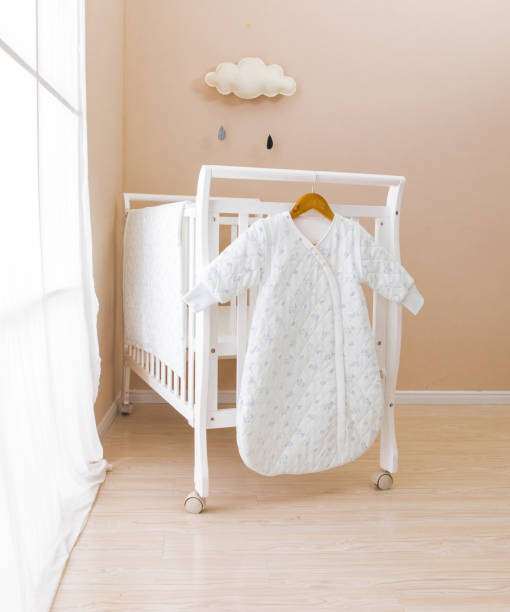
In hot summer months, babies tend to sweat more when indoor temperatures are high, so a 0.5 TOG sleeping bag is a good choice. These sleeping bags are made of very breathable fabric, perfect for warm weather. Additionally, babies only need to wear light pajamas or underwear to maintain a cool sleeping environment.
Winter (2.5 TOG or 3.5 TOG)
Winter temperatures are low, so babies need extra warmth. Choose a 2.5 TOG or 3.5 TOG sleeping bag depending on the room temperature. A 2.5 TOG sleeping bag is sufficient for cold winters; if your home is very cold, consider a thicker sleeping bag.
4. Baby sleep sack size and design selection
Baby sleep sacks not only come in different TOG values but also offer different sizes based on the baby’s age and size. Choosing the right size is crucial; a sleep sack that is too large or too small will affect the baby’s comfort and safety.
Size selection:
a baby sleep sack for 0-6 months, designed to fit the delicate skin of newborns, comfortable and safe.
6-12 months: Suitable for more active babies, the size should be slightly larger to provide more space.
12-24 months: Choose a sleeping bag that fits your baby’s height and range of motion, ensuring that your baby can move freely without it being too loose.
Design options:
Adjustable design: Some baby sleep sacks are designed with adjustable shoulder straps or openings to make it easy to adjust to the baby’s size.
Two-way zipper design: The two-way zipper design makes diaper changing easy and won’t disturb the baby’s sleep.
Detachable design: Suitable for different seasons, the sleeping bag can be disassembled or combined for flexible adjustment.
5. Use common safety knowledge
While baby sleep sacks offer many benefits for babies, there are still some safety guidelines to follow when using them:
Avoid overheating: Overheating can trigger Sudden Infant Death Syndrome (SIDS) in babies. Check your baby’s temperature regularly each time you use a sleeping bag to ensure they are not overheating.
Choose a lint-free sleeping bag: While lint-free sleeping bags are warm, they may irritate a baby’s skin. Choosing a lint-free sleeping bag is safer.
Ensure appropriate clothing: When choosing a TOG value sleeping bag, it’s also necessary to pair it with suitable underwear or pajamas. Clothing that is too thick or too thin can affect your baby’s comfort and safety.
FAQ
Q: What age group is it suitable for?
A: Suitable for babies from birth until 2-3 years old. Choose different sizes of sleeping bags according to the baby’s size and activity level.
Q: How do I choose the TOG value for
my baby sleep sack? A: The TOG value should be chosen based on the season and room temperature. 0.5 TOG is suitable for summer, 1.0 TOG for spring and autumn, and 2.5 or 3.5 TOG for winter.
Q: Is it suitable for winter use?
A: Yes, it’s perfect for winter use. Choosing a 2.5 TOG or 3.5 TOG sleeping bag will ensure your baby stays warm in cold environments.
Q: How to clean?
A: Most can be machine washed, but it is best to choose a gentle washing cycle and avoid using strong acidic or alkaline detergents.
Conclusion
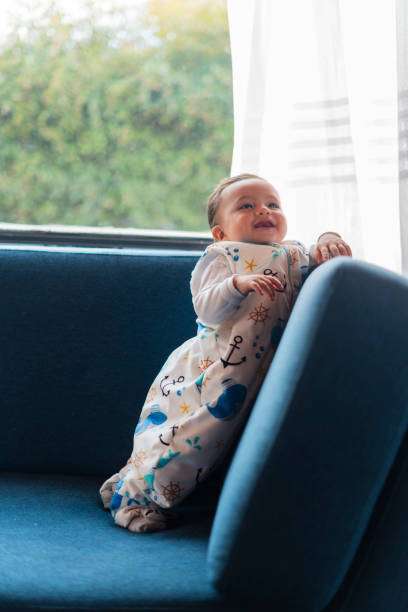
A baby sleep sack is an essential partner for your baby’s sleep safety and comfort. Choosing the right TOG value and size ensures your baby enjoys quality sleep in every season. This article aims to help you understand how to select the most suitable baby sleep sack based on the season, room temperature, and your baby’s needs.
Are you looking for a baby sleep sack? Don’t hesitate! Our baby sleep sack series has undergone rigorous safety testing to ensure the comfort and safety of every baby. Whether you’re looking for warmth in winter or breathability in summer, we have the perfect option for you.