
For new parents, “How can I ensure my baby sleeps safely?” is almost always the most pressing question in the first few months. Newborns sleep for long periods, but their sleep cycles are short, they are prone to waking at night, and their body’s regulatory abilities are insufficient, making the creation of a safe sleep environment crucial.
Among all safe sleep products, baby sleep sacks are a globally recommended choice by pediatric institutions. They not only reduce the risk of the baby’s face being covered by blankets but also help maintain a stable body temperature, giving parents much peace of mind.
This “Encyclopedia of Newborn Safe Sleep” will give you a comprehensive understanding of baby sleep sacks and the key principles of safe sleep for newborns, creating a more reassuring night for both babies and parents.
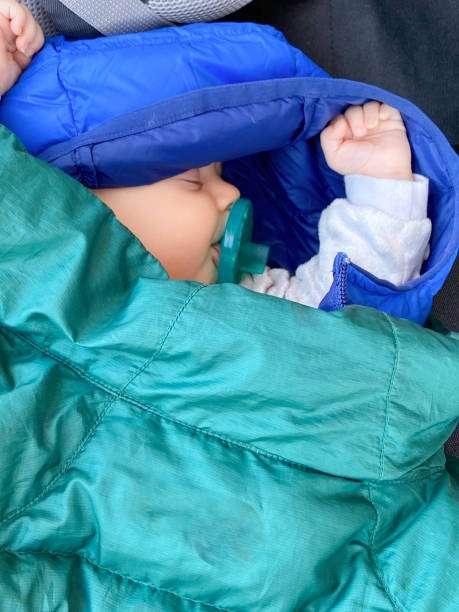
Why do newborns need safe sleep?
Both the World Health Organization (WHO) and the American Academy of Pediatrics (AAP) emphasize that the most common potential dangers to newborns come from unsafe sleeping environments. Newborns’ bodies are not yet fully developed, including:
Insufficient ability to roll over independently: Unable to adjust their posture to avoid having their mouth and nose covered.
Poor thermoregulation: prone to getting too cold or too hot.
Insufficient neck strength: Facing soft bedding, toys, etc., can easily lead to suffocation.
Meanwhile, newborns can sleep 14–17 hours a day, but this is mainly in short, fragmented naps, with frequent night awakenings. If the sleep environment is unstable, the following may occur:
Sleep deprivation leads to irritability and frequent crying.
Waking up more often at night
Feeding disorder
Parents’ extreme sleep pressure
Therefore, safe sleep is not an “optional” aspect of parenting but rather a fundamental common sense that must be mastered.
Among safe sleep equipment, baby sleep sacks play a core role, effectively reducing risks such as “the blanket covering the face,” “kicking off the blanket and getting cold,” and “unstable sleeping posture.”
Why is Baby Sleep Sack an internationally recommended safe sleep product?
A baby sleep sack is a sleep product that replaces a traditional blanket. It’s like a wearable little bag that wraps the baby’s body but leaves their head uncovered.
1. Prevent kicking off the covers and catching a cold.
Traditional blankets tend to slip off easily, and babies kick around constantly at night. Sleeping bags, on the other hand, can securely cover the lower body and maintain a stable temperature.
2. Reduce the risk of suffocation
Baby sleep sacks don’t have loose fabric, so they reduce:
Cover your mouth and nose with the blanket
Baby entangled
Parents repeatedly got up to check
This is also the main reason why it is recommended by pediatric associations in many countries.
3. Prevents the baby from rolling into a dangerous sleeping position.
Sleeping bags can limit the speed at which a newborn can turn over, helping them stay in a supine position, which is the safest sleeping position.
4. Help establish a sleep ritual
Many parents have reported that putting on a sleeping bag serves as a “sleep signal,” helping their babies fall asleep more quickly.
5. Maintaining a consistent sleeping environment while traveling for business or visiting relatives.
Sleeping bags can be taken away at any time and are not affected by changes in beds or blankets, resulting in more stable sleep.
In short: Baby Sleep Sack is the foundation of newborn sleep safety and the first step for parents to get a good night’s sleep.
Five principles for safe sleep for newborns
The following principles combine AAP guidelines with practical experience and are simple to implement.
1. Must sleep in a supine position
The best and safest sleeping position for newborns is lying on their backs.
Newborns should not be allowed to sleep on their stomachs or sides.
Tip: Baby sleep sacks make it harder for babies to roll over and reduce the risk of them sleeping on their stomachs.
2. The bed must be firm and flat.
Soft mattresses, sofas, beanbag chairs, and adult beds all pose a suffocation risk.
Ensure the following:
firm baby mattress
Suitable bedsheets
Avoid any “padded soft” sleeping mats
3. The sleeping space should be kept simple.
Do not place the following items inside the bed:
doll
Pillow
Thick quilt
Anti-kick blanket
Anti-collision strip
A sleeping bag can replace all blankets.
4. Temperature control is key.
The ideal temperature for a baby to sleep is 20–24°C.
How to tell if a baby is overheated?
Touch the back of their neck!
Cold palms and feet are normal and do not necessarily mean they are cold.
Baby sleep sacks are usually labeled with a TOG (Total Warmth) rating.
Spring/Summer: 0.2–0.5 TOG
Autumn/Winter: 1.0–2.5 TOG
5. Roommate but not bed with parents (6–12 months)
Sharing a room with your baby but not in a separate bed can reduce risks and make nighttime care easier.
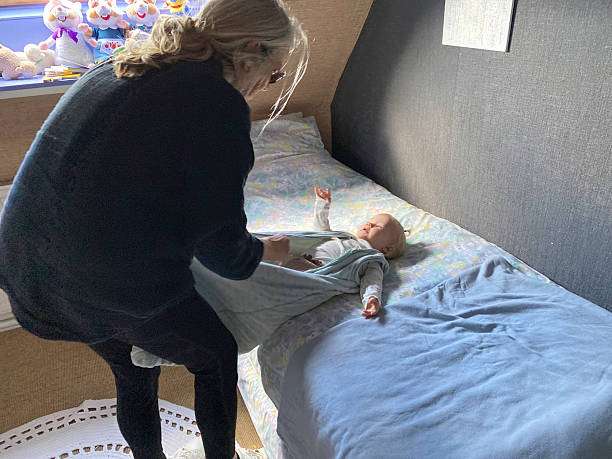
Baby sleep sack for newborns?
Choosing a baby sleep sack isn’t about choosing the thickest one; you should consider factors like age, season, and fabric.
1. Choose the size according to age.
Newborns (0–3 months): Choose a smaller size that fits snugly but is not too tight.
For older babies (3–12 months): Choose designs with shoulder buckles or zippers for easy dressing and undressing.
If the sleeping bag is too large, the baby may slide inside, posing a risk of suffocation.
2. Fabric determines comfort.
recommend:
100% Cotton: Soft and breathable, suitable for all seasons
Bamboo fiber: Cool and smooth, perfect for summer.
Organic cotton: Suitable for babies with sensitive skin
Avoid:
Excessive polyester fiber content results in poor breathability.
Rough fabrics cause skin friction
3. baby sleep sack check the TOG warmth rating.
Summer: 0.2–0.5 TOG
Spring and Autumn Period: 1.0 TOG
Winter: 2.5 TOG (must be used with room temperature)
Friendly reminder: Don’t dress your baby too warmly just because it’s cold; newborns are more susceptible to overheating.
4. Design security
Zippers must have an anti-pinch design.
The neckline should not be too large.
The underarm area should fit snugly to prevent it from slipping off.
Avoid choosing items with excessive decorations, bows, or rigid components.
5. Convenience
For frequent diaper changes at night, choose:
Two-way zipper
Side-opening sleeping bags
can save a lot of time and trouble.
What should I do if my baby wakes up frequently at night? How can a sleeping bag help?
It’s normal for newborns to wake up at night, but if they cry frequently and wake up every hour, it could be due to the following reasons:
1. Unstable sleep environment
Changes in light, temperature, and sound can easily affect newborns. Sleeping bags provide a consistent feeling of being wrapped up, making babies feel safe.
2. Startled awake by having the blanket cover my face.
Sleeping bags prevent loose bedding, allowing babies to sleep more soundly for longer periods.
3. Getting chilled or overheated at night
Dressing a newborn in the wrong clothes is more likely to cause irritability than underfeeding.
The advantages of a sleeping bag are stable warmth and high controllability.
4. Unclear sleep cues
Establishing a ritual of “putting on a sleeping bag → getting ready to sleep” can give babies a sense of security and help them fall asleep more quickly.
Precautions for safe use of Baby Sleep Sack
To maximize the effectiveness of your sleeping bag, please note:
Don’t treat your sleeping bag like a “thick coat”—wearing too much will only make you overheat.
The baby must sleep on his back
Sleeping bags are only suitable for use in firm cribs and should not be used by infants sleeping in the same bed as adults.
Keep sleeping bags clean and wash them regularly.
Choose lightweight materials in summer, and match clothes according to TOG (Total Weight) in winter.
If your baby is sick (has a fever), you should choose an ultra-thin sleeping bag or stop using it.
Only when used correctly can it truly provide safety protection.
Baby Sleep Sack Frequently Asked Questions for Parents (FAQ)
1. Can newborns use Baby Sleep Sack immediately?
Yes, newborns can use a sleeping bag immediately after birth, as long as the appropriate age and size are chosen.
2. Will a baby sleep sack affect a baby’s free movement?
No. The sleeping bag design allows the legs to be naturally curled up and stretched.
3. Will a sleeping bag make my baby too hot?
No, just choose the appropriate thickness based on the TOG.
4. Will the baby slide out of the sleeping bag?
A good sleeping bag won’t have this problem. The key is whether the neckline and armpits fit properly.
5. Do I still need a sleeping bag in the summer?
A lightweight sleeping bag is needed. This will prevent you from getting cold and avoid the risk of being covered by sheets, even in air-conditioned rooms.
6. How to tell if a baby is dressed too warmly or too lightly?
Touch the back of your neck; it should feel neither hot nor cold.
7. Will a sleeping bag affect a baby’s ability to roll over?
It will slightly reduce the speed of turning over, which is safe for newborns.
8. Is it okay to use a second-hand sleeping bag for my baby?
Yes, but you must ensure there is no damage, no zipper issues, and the fabric is clean and soft.

Conclusion:
A newborn’s safe sleep is not a trivial matter but a matter of life and death. From supine sleeping position and room temperature and humidity to crib design and sleep products, parents need to create a safe sleep environment from multiple aspects.
Among many safety measures, a baby sleep sack is the simplest, most effective, and most worthwhile investment. It can reduce the risk of suffocation, maintain a suitable body temperature, improve sleep stability, and give parents less worry and more peace of mind at night.
Want to create a safer sleep environment for your baby? Learn more about our carefully selected high-quality baby sleep sacks now, allowing your baby to sleep comfortably and giving parents peace of mind.