
As babies grow, many parents begin to focus on improving their baby’s sleep quality. Baby sleep sacks, as a modern sleep tool, are increasingly chosen by parents to help their babies fall asleep thanks to their safe and comfortable design. However, many parents also have a question: Can babies roll over in a baby sleep sack?
This article will answer this question for you, provide detailed information about baby sleep sacks, and help you choose the right sleep method for your baby.
Function and Design
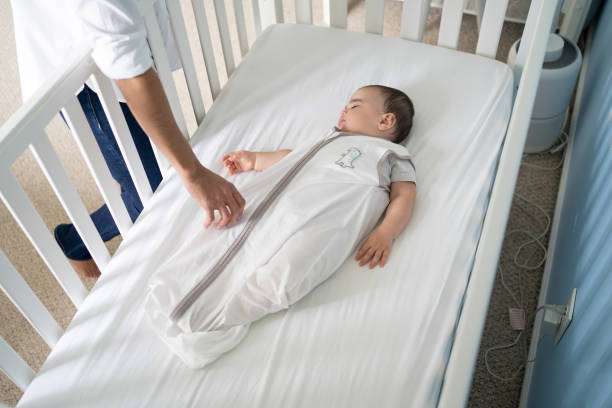
A baby sleep sack, also known as an infant sleep bag, is a type of sleepwear designed specifically for babies, offering both swaddle comfort and warmth. It is typically made of soft cotton and is designed to wrap around the baby’s legs and body, preventing the slippage that can occur with traditional blankets while also providing adequate room for movement.
A baby sleep sack is to provide a safe sleep environment. It ensures that the baby stays appropriately warm while sleeping while also preventing the baby from getting cold or uncomfortable at night due to the blankets falling off or being kicked off. The swaddle design of the sleep sack not only makes the baby feel secure but also effectively prevents the baby’s limbs from moving around, reducing the risk of danger from the bedding.
However, a baby sleep sack isn’t designed to restrict a baby’s movement. Many high-quality baby sleep sacks provide a sense of security while allowing for basic movements such as rolling over or stretching limbs. This allows the baby some freedom of movement without the discomfort of a tight sack.
Baby sleep sacks and rolling over: feasibility and limitations
A baby’s ability to roll over in a sleep sack depends primarily on the sack’s design and the baby’s age. Babies have varying motor abilities at different stages of development, and the sleep sack’s design needs to meet their different needs during sleep.
For younger babies (0-6 months): Babies at this stage usually can’t roll over yet, and the main purpose of a sleeping sack is to keep them warm and provide a sense of security. At this stage, a baby sleep sack primarily prevents the baby from kicking off the blankets and ensures they are not affected by the cold while sleeping.
For babies aged 6-12 months: As babies grow, they begin to learn to roll over and move around. Baby sleep sacks suitable for this stage are usually designed to be “loose,” allowing babies to easily roll over or change position while sleeping without being restricted by the sack. Adequate space for movement is beneficial for a baby’s development, as it helps them exercise their muscles and improve their motor skills.
For babies over 12 months old: At this stage, babies’ motor skills have greatly improved, enabling them to roll over, crawl, and even stand more. Sleeping bags at this age are designed with comfort and freedom in mind, allowing babies more room to move while still maintaining a certain level of swaddling to prevent their limbs from being exposed.
When my baby was six months old, I noticed he started trying to roll over. To ensure he could sleep comfortably and roll over safely, I chose a flexible baby sleep sack for him. Every night he could roll over freely in the sack, and I could let him sleep alone without worrying about the blanket falling off.
Choosing a baby sleep sack: Helping your baby roll over more easily
A baby sleep sack is important to ensure your baby can roll over safely and comfortably. Here are some factors to consider when choosing a baby sleep sack:
1. Suitable size and style
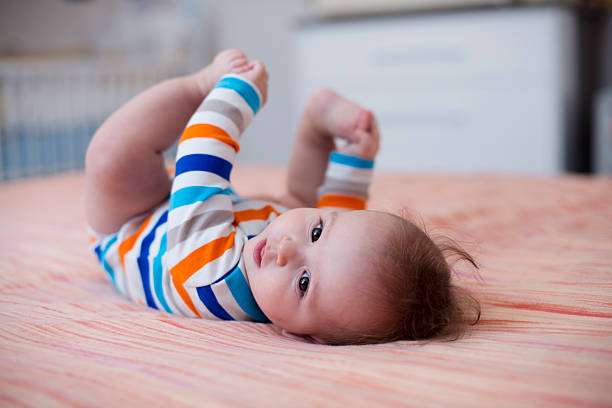
The right size: A baby sleep sack should not be too big or too small. A sleep sack that is too small may restrict the baby’s movement, while a sleep sack that is too big may make the baby feel uncomfortable when rolling over. Choose a sleep sack that fits your baby’s size so that they feel comfortable while sleeping and can roll over freely.
Loose-fitting design: Choose a sleeping bag with a loose fit so that your baby can move freely while sleeping. If the sleeping bag is designed to be too tight, your baby may feel uncomfortable, and it may even affect their ability to roll over.
2. Material
A baby sleep sack is very important. Choosing a breathable fabric (such as pure cotton) can help maintain a suitable body temperature for your baby, preventing them from getting too hot or too cold. For warmer weather, you can choose a thinner sleep sack, while for colder weather, a slightly thicker one can help keep your baby warm.
3. Avoid over-wrapping
While baby sleep sacks can provide a sense of security, over-swaddling can restrict a baby’s ability to roll over. Once your baby starts learning to roll over, choose a sleep sack with appropriate elasticity to allow them to move freely inside and help them smoothly transition to the rolling-over stage.
FAQ
1. What age group of babies is it suitable for?
Baby sleep sacks are suitable for babies from birth to around two years old. For newborns and babies aged 0-6 months, choose a sleep sack that provides a swaddle and warmth; for babies over 6 months, choose a sleep sack with a more flexible design that allows for some movement.
2. Can a baby sleep sack replace a blanket?
It can replace a traditional blanket, especially for younger babies. It ensures that the baby stays warm at night and reduces the risk of the baby kicking off or pulling back the covers. However, a baby sleep sack cannot completely replace a blanket for older babies, but it can still provide warmth in cold weather.
3. In what situations is it suitable to use?
Baby sleep sacks are perfect for nighttime use, especially when babies are falling asleep, as they ensure the baby doesn’t kick off the covers. They are also ideal for travel and outings, as the baby stays at a comfortable body temperature in the sleep sack, minimizing the impact of environmental changes.
4. Does a baby sleep sack prevent a baby from rolling over?
While baby sleep sacks prevent a baby’s limbs from being exposed, they don’t completely restrict a baby’s ability to roll over. As a baby grows, choosing a suitable sleeping sack can provide the necessary space for them to roll over, ensuring safety while promoting the development of their motor skills.
In conclusion
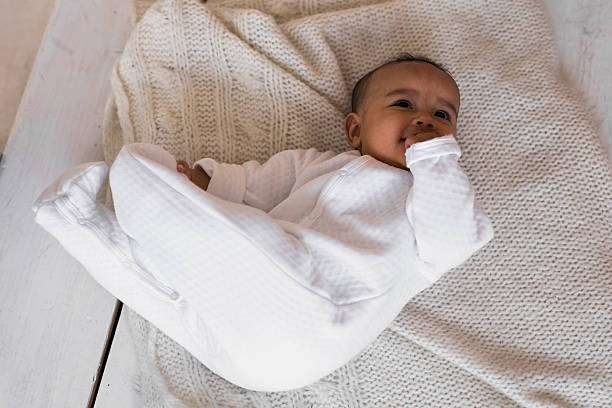
A baby sleep sack is a practical and safe sleep tool. It helps babies maintain a comfortable body temperature and provides some space for movement, allowing them to roll over and stretch out in their sleep. However, choosing the right baby sleep sack is crucial, ensuring it provides a sense of security while allowing for appropriate freedom of movement. Select the appropriate size and style based on your baby’s developmental needs to help them enjoy a peaceful night’s sleep.