
Every parent wants their baby to grow up healthy and safe, and ensuring the baby’s safety in their sleep environment is paramount. The risk of suffocation is a common concern for parents of newborns and infants, especially since babies are easily affected by blankets, pillows, and other objects while sleeping. Baby sleep sacks are designed to reduce these potential dangers and help babies fall asleep safely and comfortably.
In this article, we will explore how baby sleep sacks can effectively reduce the risk of suffocation and provide you with practical advice on choosing and using baby sleep sacks.
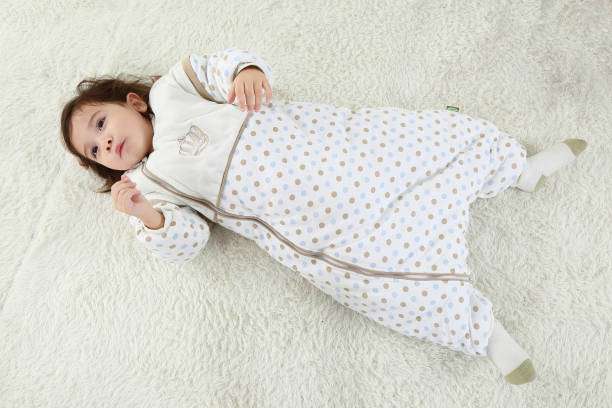
1. The design principles and suffocation risks of baby sleep sacks
The baby sleep sack is to prevent accidental suffocation caused by the baby moving or kicking off the covers. Traditional blankets or pillows, especially when the baby is constantly moving in their sleep, can easily cover the baby’s head, increasing the risk of suffocation. The baby sleep sack design ensures that the baby’s body is safely swaddled, preventing blankets and pillows from accidentally covering the baby’s face.
How to reduce the risk of suffocation:
Closed design: The closed design of the baby sleep sack ensures that the baby’s head will not be covered by any blanket or pillow, preventing the baby from being unable to breathe due to the face being pressed down.
Fitted design: The cuffs and collar of the sleeping bag are carefully designed to be neither too loose, preventing the baby’s head from being pulled or falling out of the sleeping bag.
Secure: Unlike traditional blankets, baby sleep sacks cannot be easily kicked off or moved around by babies, reducing the chance of babies coming into contact with loose objects and thus avoiding the risk of suffocation.
I remember choosing a baby sleep sack for my baby shortly after he was born. At that time, he had just learned to roll over, and I was worried that he would roll over and get the blanket on his face, causing him to suffocate. After using the sleep sack, I could rest assured that he could stay in a safe sleeping state, sleeping more soundly and with more peace of mind.
2. How to choose a suitable baby sleep sack to reduce the risk of suffocation
1) Size suitable for baby’s body type
A baby sleep sack for your baby’s size is crucial. If the sack is too large, the baby may slide or roll around inside, and their head might be accidentally covered. If the sack is too small, it may restrict the baby’s movement and affect their comfort. Therefore, choosing a well-fitting sleep sack is essential.
2) Cuff and collar design
Most baby sleep sacks have cuffs and a neckline. These areas should be designed to be secure enough to prevent the baby’s head from slipping inside the sack. Choosing elasticated cuffs and a properly sized neckline can effectively prevent this.
3) Use a cordless sleeping bag
Avoid choosing sleeping sacks with any loose ropes or straps. Some traditionally designed sleeping sacks may have ropes, which can pose a suffocation risk if the baby rolls over or moves. Choosing a rope-free baby sleep sack can greatly reduce this risk.
4) Breathability and Material Selection
baby sleep sacks. Choosing a sleep sack made of natural materials such as cotton or wool ensures it is both warm and breathable. A well-ventilated sleep sack helps regulate a baby’s body temperature, reducing overheating or cooling, and preventing discomfort during sleep caused by overheating.
I made a mistake at first, choosing a sleeping bag with a poor design. The neckline was too loose, and my baby almost poked his head out when he rolled over. After adjusting it and choosing a more fitted style, my baby slept much more soundly.
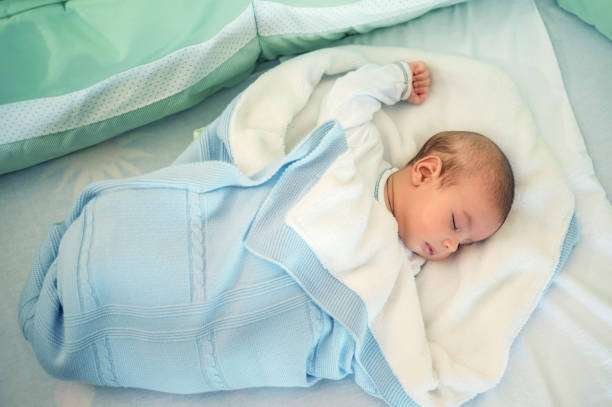
3. How to properly use a baby sleep sack to reduce the risk of suffocation.
1) Regularly check your baby’s sleeping position.
Although baby sleep sacks can effectively reduce the risk of suffocation, parents still need to regularly check their baby’s sleeping position to ensure that the baby is not pressing their head against the sleeping sack or adopting an unsafe sleeping posture. Before each time the baby falls asleep, check their neck and face to ensure that nothing is covering them.
2) Wear appropriate clothing in your sleeping bag.
Using a baby sleep sack, your baby should be dressed appropriately. Overdressing may cause your baby to overheat, while underdressing may cause them to catch a cold. It is essential to dress your baby appropriately according to the room temperature and seasonal changes.
3) Choose a sleeping bag suitable for the season.
Choose the appropriate sleeping bag thickness according to the season. In summer, opt for a lightweight model, while in winter, choose a sleeping bag with a warm lining. The right sleeping bag thickness helps regulate your baby’s body temperature, preventing discomfort caused by overheating or cooling.
During the winter after my baby was born, I used a thick sleeping bag that was perfect for the cold weather. My baby slept soundly every night and didn’t wake up frequently due to the cold. The design of this sleeping bag also gave me peace of mind, as it ensured that my baby’s face wasn’t easily covered by anything.
4. FAQ (Frequently Asked Questions)
Q: How can I tell if my baby is suffocating in their baby sleep sack?
A: The simplest way is to check if your baby is breathing smoothly. If your baby’s neck and face are warm and their breathing is steady, it usually means there is no risk of suffocation.
Q: Is the baby sleep sack suitable for all babies?
A: The baby sleep sack is suitable for the vast majority of babies, but please choose the appropriate size according to your baby’s size and age before purchasing.
Q: Does my baby need an extra blanket while sleeping?
A: Generally, an extra blanket isn’t needed when using a baby sleep sack, as the sack itself provides sufficient warmth. If the weather is very cold, you can consider adding a light blanket over the sleep sack.
Q: Will
Does a baby sleep sack restrict a baby’s movement? A: A good baby sleep sack is designed with enough room for the baby to move and stretch freely. However, it can prevent the risk of suffocation caused by the baby rolling over or kicking off the covers.
a baby sleep sack suitable for the season?
A: In summer, choose a lightweight and breathable sleeping sack, and in winter, choose a warmer one. Different materials provide different levels of comfort, so consider your temperature needs when choosing.
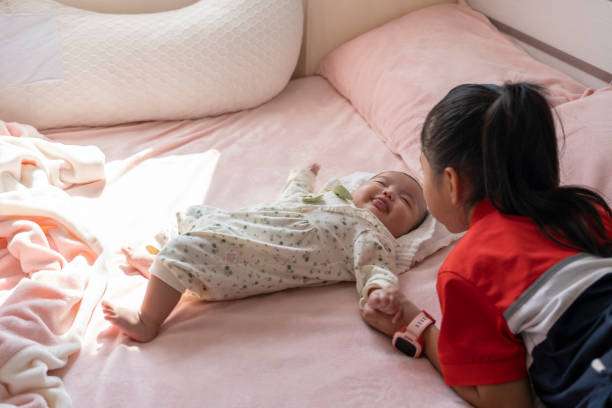
5. Summary
A baby sleep sack effectively reduces the risk of suffocation for babies through its scientific design. It helps prevent blankets or pillows from covering the baby’s head, ensuring a safe and comfortable sleep. Choosing the right size, material, and design, and using a baby sleep sack correctly, not only provides the warmth your baby needs, but also…
Are you ready to provide your baby with a safer and more comfortable sleep environment? Browse our baby sleep sack collection. Each sack is carefully designed to ensure your baby’s safety and comfort, helping them have a restful night’s sleep. Shop now and let your baby sleep better every night!