
Parents often find that sleep regression is a common and troubling issue in their babies’ development. Especially when babies transition to different sleep stages, many parents experience a decline in their baby’s sleep quality—from sleeping soundly at night to waking frequently and even needing to be fed or soothed to fall asleep every night. Many people wonder: can baby sleep sacks help alleviate this sleep regression problem?
In this article, we will analyze in detail the role of baby sleep sacks, how they can help alleviate sleep regression in babies, and share some practical tips based on our experience to help parents cope with this challenge.
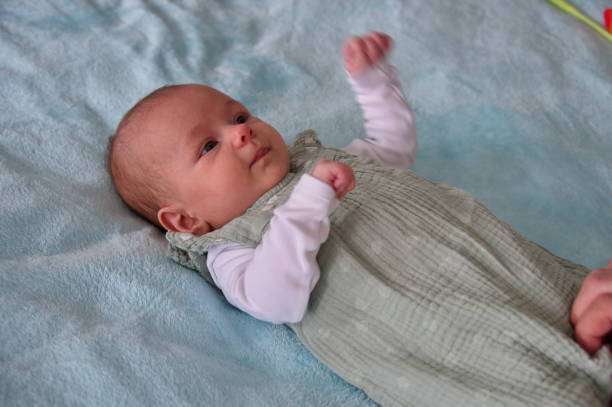
What is a baby sleep sack? How does it affect a baby’s sleep?
A baby sleep sack is a uniquely designed sleep aid that not only provides a comfortable sleep environment but also restricts a baby’s movement, preventing injury from kicking off the covers or rolling over while sleeping. It typically features suitable buckles and zippers to ensure the baby stays safe and warm.
baby sleep sack:
Keeping
Keeping babies warm is important because their thermoregulation is not fully developed. Sleeping bags provide even warmth and reduce waking up due to cold. Compared to traditional blankets, sleeping bags effectively prevent babies from kicking off their blankets while sleeping.
Limiting movement to avoid the startle reflex:
Babies often wake up startled by their own movements while sleeping, a phenomenon commonly known as the “startle reflex.” Baby sleep sacks can reduce the impact of this reflex by limiting the baby’s hand and foot movements, helping the baby fall asleep more soundly.
Establishing Sleep Habits
Baby sleep sacks help create a consistent sleep environment for your baby. With a stable sleeping position and a sense of security, babies can more easily adapt to a regular sleep schedule and avoid becoming overly reliant on parental comfort.
Can baby sleep sacks help improve sleep regression?
Understanding Sleep Regression
Sleep regression refers to a significant decline in sleep quality in babies at specific age stages. Common sleep regression times include around 4 months, 8 months, and 12 months, which are usually related to a baby’s physical and cognitive development. During these critical growth stages, a baby’s sleep patterns are often affected, which may manifest as frequent night awakenings, difficulty falling asleep, or reduced daytime sleep.
Do baby sleep sacks help deal with sleep regression?
Creating a stable sleep environment:
Baby sleep sacks provide a warm and safe sleep environment for babies, reducing discomfort and the likelihood of waking up frequently. Many parents find that once their babies get used to using a sleep sack, they are able to sleep soundly for longer periods at night, rather than waking up frequently to look for blankets.
Reducing Nighttime Wakings:
Some studies suggest that using a sleeping bag can help reduce the number of nighttime awakenings caused by cold or discomfort. By reducing these external disturbances, babies can more easily soothe themselves to sleep at night, reducing their dependence on parents.
Reducing the disturbance of the startle reflex:
Many babies wake up frequently at night due to the startle reflex. Baby sleep sacks can effectively reduce this reflex by fixing the baby’s hands and feet, allowing the baby to fall asleep more soundly, especially during the 4-8 month stage, when the baby’s nervous system is still developing, and the sleep sack can provide extra help.
My baby also experienced several typical sleep regressions. Especially around 4 months old, he started waking up frequently at night and had difficulty falling back asleep. I then decided to try a baby sleep sack. He wasn’t used to it at first, but after a few days, I noticed he was able to fall into deep sleep more easily, and the number of nighttime awakenings decreased significantly. The initial sleep regression problem was effectively alleviated by using the sleep sack.
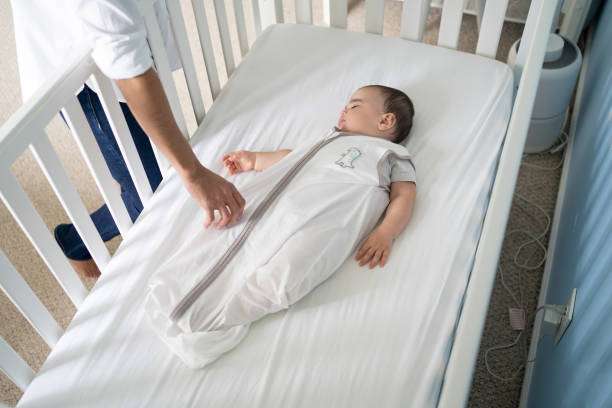
How to choose the right baby sleep sack for your baby?
There are several important factors to consider when choosing a baby sleep sack:
Baby sleep sacks are typically designed to fit a baby’s size and age.
and are usually categorized according to the baby’s weight and height. When choosing one, make sure it’s the right size for your baby—not too big or too small—to avoid restricting movement or making the sack too tight.
Material
A baby sleep sack should be soft and breathable, such as pure cotton or bamboo fiber. These materials help regulate the baby’s body temperature, preventing overheating or undercooling.
Temperature regulation
Choose a suitable sleeping sack based on the temperature of your baby’s season. Some baby sleep sacks come with adjustable cuffs or linings for easy adjustment to changes in environment.
Safety
is ensured by having a safety certification for the sleeping bag and avoiding the use of elastic bands, buttons, or small accessories that could cause suffocation.
FAQ
Q: Will a baby sleep sack affect my baby’s mobility?
A: No, it’s designed to allow babies to move freely, but it effectively limits unnecessary movements such as kicking off the covers or excessive rolling over. Most babies will find that the sleep sack helps them fall asleep more soundly after they get used to it.
Q: When can I start using a baby sleep sack?
A: Usually, you can start using it a few weeks after birth, especially with designs specifically for newborns. Most parents start using it before their baby can safely roll over, to help them maintain a stable sleeping position.
Q: If my baby has already experienced sleep regression, will using a baby sleep sack still be effective?
A: Yes, many parents find that using a baby sleep sack helps their babies establish better sleep habits, especially when experiencing sleep regression. While sleep regression may be related to a baby’s developmental stage, a sleep sack provides a stable sleep environment and helps reduce unnecessary nighttime awakenings.
Q: Can
Does a baby sleep sack help a baby soothe themselves to sleep? A: By providing a sense of security, it can indeed help develop self-soothing abilities. Many parents report that their babies fall asleep more easily on their own without needing to be picked up and soothed frequently after using a sleep sack.
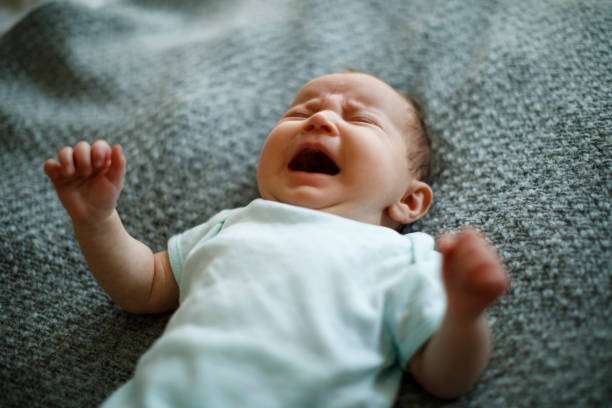
Summarize
The Baby Sleep Sack can indeed help address sleep regression in babies to some extent. By providing a stable and safe sleep environment, reducing disturbances from the startle reflex, and helping babies maintain a suitable body temperature, the Baby Sleep Sack offers positive support for improving a baby’s sleep quality.
If you haven’t chosen the right baby sleep sack for your baby yet, act now! Select a suitable sleep sack to help your baby sleep more soundly every night and overcome the challenges of sleep regression.