
Creating a safe and comfortable sleep environment for your baby is a top priority for every parent. Especially in the newborn stage, a baby’s sleep quality directly impacts their growth and health. Compared to traditional blankets, baby sleep sacks are increasingly favored by parents due to their safety, comfort, and ease of use. This guide will help you fully understand the advantages of baby sleep sacks, key selection points, and common usage mistakes and share practical experiences to help you choose the most suitable sleeping bag for your baby.
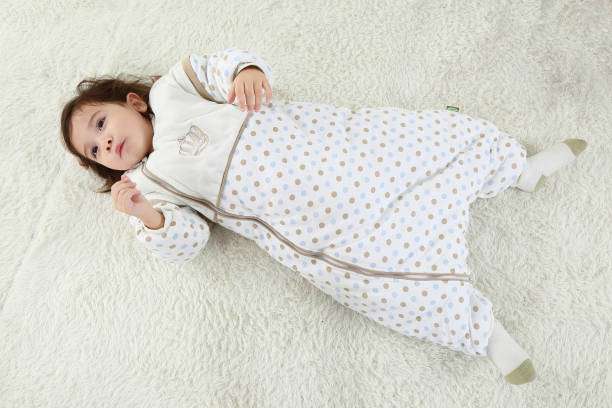
Why are baby sleep sacks becoming increasingly popular?
Traditional blankets are easily kicked off by babies or may cover their faces, posing a suffocation risk. Newborns are especially prone to being startled awake by the startle reflex, and it’s very common for them to frequently kick off or fall off their blankets at night. The advent of baby sleep sacks solves these problems:
Safety: Maintain a consistent sleeping environment for your baby, and avoid loose blankets covering their mouth and nose to reduce the risk of suffocation or SIDS.
Stable sleep: Babies are less likely to kick off their sleeping bags, thus staying warm and comfortable all night.
Convenient for nursing: Diaper changing and nighttime care are easier, without having to turn over the entire bed.
A consistent bedtime ritual: A regular habit of wearing a sleeping bag can help babies establish a stable bedtime routine and enhance their sense of security.
I remember in the first few weeks after giving birth, I would often wake up at night because the blankets were being kicked off, and I had to cover myself up repeatedly. Since we started using a sleeping bag for the baby, he sleeps much more soundly through the night, and I’m able to get a few more hours of sleep.
The main benefits of baby sleep sack
reduce suffocation and SIDS risks
Prevent loose blankets from covering a baby’s mouth and nose, providing important protection for a newborn’s safe sleep.
A friend of mine had a baby who was accidentally smothered while sleeping because the blanket was too thick. After switching to Baby Sleep Sack, she no longer has to worry about similar situations.
Baby sleep sacks are a common problem for babies at night, as they often kick off their blankets.
They help keep the baby’s body still and reduce the likelihood of the blanket falling off or being kicked off, allowing the baby to sleep more soundly.
My baby started rolling over at three months old and always kicked off the blankets at night. Baby sleep sacks keep him warm all night and prevent me from having to get up frequently to check on him.
that maintain a comfortable temperature
come in different thicknesses and TOG (Total Heat Ratio) values, allowing you to choose according to the season and room temperature to avoid overheating or getting cold.
I tried using a thick baby sleep sack for my baby in the summer, but he got too hot, so I switched to a thinner one, and the temperature was just right.
Nighttime care is convenient
as the baby can be quickly dressed and undressed. Changing diapers or feeding at night does not require lifting the entire blanket, saving parents time.
can help establish a sleep ritual,
serving as a signal for your baby to fall asleep and fostering good sleep habits.
5 Key Dimensions for Baby Sleep Sack Selection
Choosing a baby sleep sack, you should pay attention to the following five aspects:
| Dimension | Key Recommendations |
| Size and suitable age/weight | A sleeping bag should fit properly; if it’s too big, the baby may slip inside, increasing the risk of suffocation. |
| TOG/Heat Insulation Rating | Choose the thickness based on room temperature and season; choose a lower TOG for high room temperature and a higher TOG for the cold season. |
| Material and breathability | Choose natural, soft, and breathable materials (such as pure cotton, organic cotton, and bamboo fiber) to reduce skin irritation. |
| Safety Design and Structural Details | Avoid ropes, loose fabrics, and small parts; ensure the neck and arm openings are appropriate. |
| Convenience of putting on, taking off and washing | The zipper and buttons should be secure, easy to put on and take off, and convenient for washing and changing diapers at night. |
Friendly reminder: Don’t buy an oversized baby sleep sack just because it “lasts longer.” A proper fit is the safest choice.
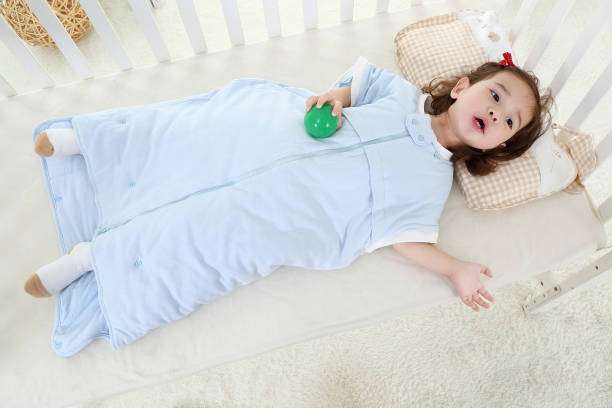
Choose a sleeping bag according to your baby’s age and the season.
Newborns to 3-4 months old
Babies still have a startle reflex, so it’s recommended to choose an anti-startle/swaddled sleeping sack to give them a sense of security similar to that of the womb.
My baby had a particularly strong startle reflex in the first few weeks after birth, but after using a swaddled baby sleep sack, he no longer woke up startled at night.
aged 3-12 months
become more active and can roll over. It is recommended to choose a traditional sleeping bag without legs to ensure safety when rolling over.
Seasonal and room temperature reference
Room temperature 22-25°C → Choose a thin sleeping bag
In low room temperature or winter → Choose a thicker baby sleep sack
Fluctuating room temperature or baby’s tendency to sweat → Choose a breathable, sweat-wicking baby sleep sack made of natural materials.
I’ve found that even in summer, it can get quite cool indoors when the air conditioning is on, so a thin sleeping bag solves the temperature problem perfectly and prevents the baby from sweating.
Common Misconceptions and Safety Advice
Do not leave loose blankets or pillows on the crib.
Extra loose blankets increase the risk of suffocation. Use a baby sleep sack instead; no additional blankets are needed.
Don’t buy sleeping bags that
are too large. Oversized bags can easily allow your baby to slip inside, potentially covering their head and posing a safety hazard.
I once bought a sleeping bag that was a size too big, and my baby would constantly slide around inside. After exchanging it for a properly fitting size, the problem was solved.
baby sleep sacks
with ropes or small parts; any design that could cause tangling or detachment increases the risk of danger.
Regularly check the sleeping bag to ensure
The zippers, seams, and buckles are secure and undamaged to guarantee safe use.
The golden rule: a good fit + appropriate thickness + safe design + skin-friendly materials + ease of use.
Summarize
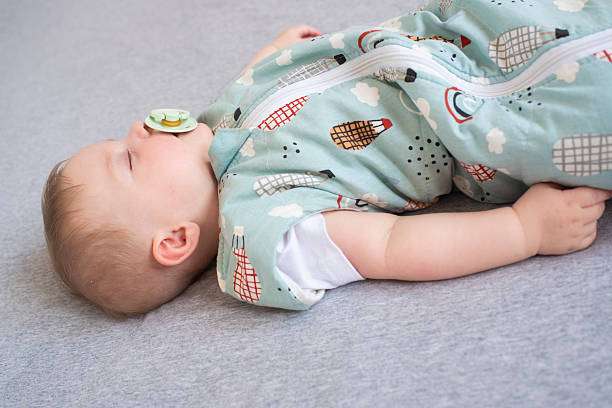
A baby sleep sack is an essential item for newborns and infants during their sleep stages. It balances safety, comfort, and temperature regulation, making nighttime care convenient for parents. When choosing one, focus on size, thickness, material, safety design, and ease of use. Consider your baby’s age, the season, their physical condition, and your living environment to select the most suitable sleep sack, ensuring your baby has a safe and comfortable sleep every night.
Why not start preparing a suitable baby sleep sack for your baby today, allowing them to enjoy a warm and safe sleep while also giving you peace of mind at night?