
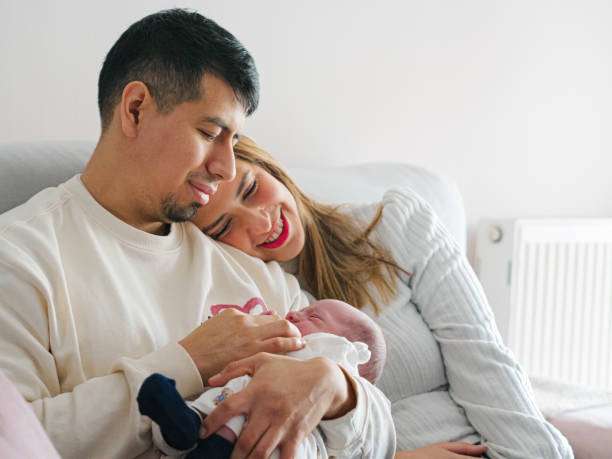
In the first few months after a baby’s birth, parents’ sleep arrangements are crucial, especially regarding the baby’s safety and comfort. Many parents choose to sleep with their baby in bed, particularly during nighttime soothing sessions. Baby sleep sacks, a very popular sleep aid, are widely used because they provide a safe and comfortable sleep environment. However, many parents wonder: are baby sleep sacks suitable for co-sleeping with parents?
1. Functions and advantages of baby sleep sack
First, we need to understand the basic functions and advantages of a baby sleep sack. A baby sleep sack is essentially a warm, enclosed nightgown designed to replace a traditional blanket. Its main function is to provide a comfortable sleeping environment for the baby and prevent potential hazards such as the blanket slipping off due to rolling over.
Advantages of baby sleep sacks:
Preventing suffocation: Traditional blankets may cover a baby’s face, increasing the risk of suffocation, while a baby sleep sack ensures that the baby’s head is exposed to the air, avoiding this situation.
Temperature control: It helps keep the baby’s body temperature stable and prevents the baby from getting cold or overheating due to kicking off the blanket.
Improve sleep quality: The comfortable design of the baby sleep sack helps babies fall asleep faster and sleep more deeply, which is beneficial to their physical and mental health development.
After our child was born, we used Baby Sleep Sack. At that time, I slept in the same bed with my baby, and I could clearly feel that he wouldn’t get covered by the blanket when he turned over at night; he slept more soundly, and he cried less at night.
2. The advantages and disadvantages of baby sleep sacks and co-sleeping with parents
Strengthening parent-child bond: Sleeping with your baby can enhance the emotional connection between parents and child. Especially in the early stages of a baby’s life, physical contact with parents can provide them with a sense of security and help them fall asleep.
Reduce nighttime feedings and soothing: If your baby sleeps with you, it’s easier for you to manage nighttime feedings and soothing. Baby sleep sacks help keep your baby comfortable and prevent them from waking up due to the blankets slipping off or the cold air conditioning.
Avoid the risk of your baby’s blanket slipping off: baby sleep sacks ensure your baby stays warm and reduce the risk of the blanket covering their head or slipping off.
baby sleep sacks for co-sleeping with parents:
Parents’ sleep quality may be affected: While co-sleeping with a baby has many advantages, it can also negatively impact parents’ sleep quality, especially when frequently caring for the baby at night. Irregular baby sleep patterns can cause parents to wake up repeatedly.
Space issues: Co-sleeping with your baby can make the bed feel cramped. If the parents’ bed is small, it can lead to a crowded space between the baby and parents, which is not good for the parents’ rest.
Safety Hazards: If a baby is too young, co-sleeping with their parents may pose some potential safety hazards, such as the risk of the baby being rolled over or accidentally injured. This is especially true if parents turn over in their sleep, as they might accidentally roll over onto the baby.
3. Safety Precautions
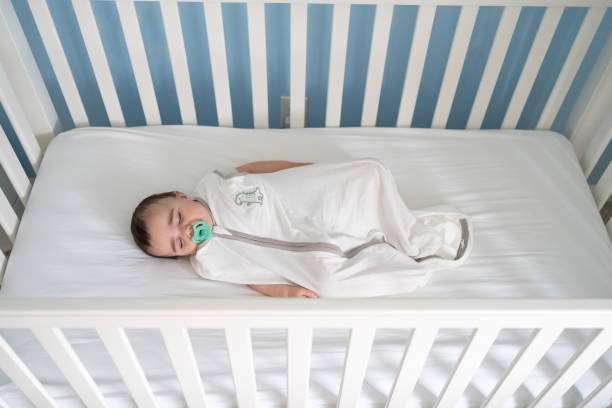
Choose a baby sleep sack that is appropriate for your baby’s age and size, ensuring it is neither too big nor too small. A sleep sack that is too big may trap your baby, while one that is too small will restrict your baby’s movement.
Avoid overcrowding: While close contact is very important for babies, parents need to maintain a certain amount of space between themselves and their babies to avoid accidentally rolling over onto the baby when turning over.
Baby’s head exposed: When using the sleeping bag, ensure that the baby’s head is always exposed. Do not wrap the baby’s head in the sleeping bag to avoid the risk of suffocation.
Regularly check your baby’s temperature: Although baby sleep sacks can help regulate body temperature, parents still need to check their baby’s temperature regularly to ensure that the baby is neither too hot nor too cold.
Ensure a safe sleep environment: Avoid having too many pillows, blankets, or other items on the bed to prevent unnecessary pressure on the baby.
When using a baby sleep sack, I paid close attention to my baby’s temperature, checking it every night before bed to make sure he wasn’t too hot or too cold. To avoid crowding, I placed the baby’s sleeping sack in a safe spot between the parents, giving the baby enough space while still allowing for close contact.
4. Common issues related to baby sleep sacks and co-sleeping with parents
1. What age is it suitable for?
A: Baby sleep sacks are suitable for babies from birth to approximately 2-3 years old. Different age groups require different sizes and designs of sleep sacks; parents can choose the appropriate sack based on their baby’s size.
2: When sleeping with parents, can a baby sleep sack keep the baby warm?
A: Yes, the design prioritizes temperature control, effectively maintaining a stable baby’s body temperature and preventing the baby from kicking off the blankets when turning over. However, parents still need to check the baby’s temperature to ensure they don’t overheat.
3: Is the baby sleep sack suitable for summer use?
A: Yes, many baby sleep sacks come in different thicknesses and materials, suitable for year-round use. In summer, you can choose a thinner, more breathable baby sleep sack to prevent your baby from overheating.
4: Will sleeping with parents affect the baby’s sleep independence?
A: While co-sleeping with your baby can strengthen the parent-child bond, doing so in the long run may affect your baby’s ability to sleep independently. It’s recommended to gradually help your baby establish independent sleep habits after they’ve adapted to a sleeping bag.
5: Is a baby sleep sack suitable for co-sleeping with parents?
A: It can be used with most beds, but parents are advised to leave enough space in the bed to ensure the baby’s safety. If the bed space is small, it is recommended to use a separate crib to avoid overcrowding.
5. Summary
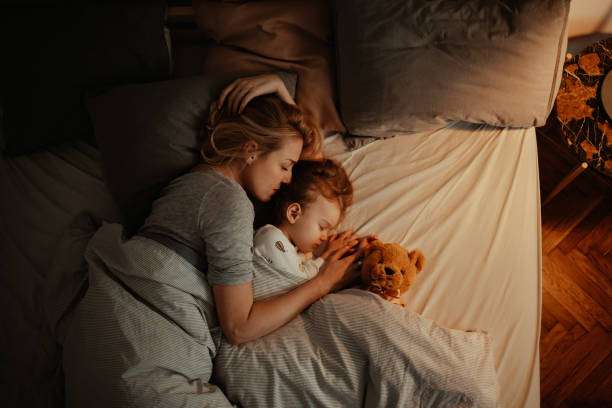
Baby sleep sacks, as an effective sleep aid, not only help babies achieve a safer and more comfortable sleep environment but also provide better protection when co-sleeping with parents. Co-sleeping has its advantages and disadvantages; the important thing is to ensure the baby’s safety and the parents’ quality rest.
If you’re looking for a safe and comfortable baby sleep sack, check out our carefully selected baby sleep sack collection. Each sack undergoes rigorous safety testing to ensure your baby sleeps soundly every night.